Exploring the Best Generative AI Tools of 2023
Generative AI has revolutionized the landscape of digital creativity, offering tools that span across text generation, image creation, and even coding assistance. In 2023, a range of these tools have emerged as game-changers, enhancing human creativity and productivity in unprecedented ways. This article delves into the top generative AI tools of the year, highlighting their unique features and potential applications.
1. ChatGPT: The Conversational AI Pioneer
Overview: ChatGPT, developed by OpenAI, stands as the premier AI in the global market. Its conversational AI system, powered by models like GPT-4 and GPT-3.5 Turbo, has captivated over 180 million users worldwide.
- Key Features: ChatGPT excels in understanding complex prompts and generating human-like responses. It's adept at conversational engagements, textual summarization, language translation, content composition, and task automation.
2. Google Bard: Google’s Foray into Generative AI
Overview: Google Bard, launched in February 2023, harnesses Google's LaMDA 2 model to provide rich conversational experiences.
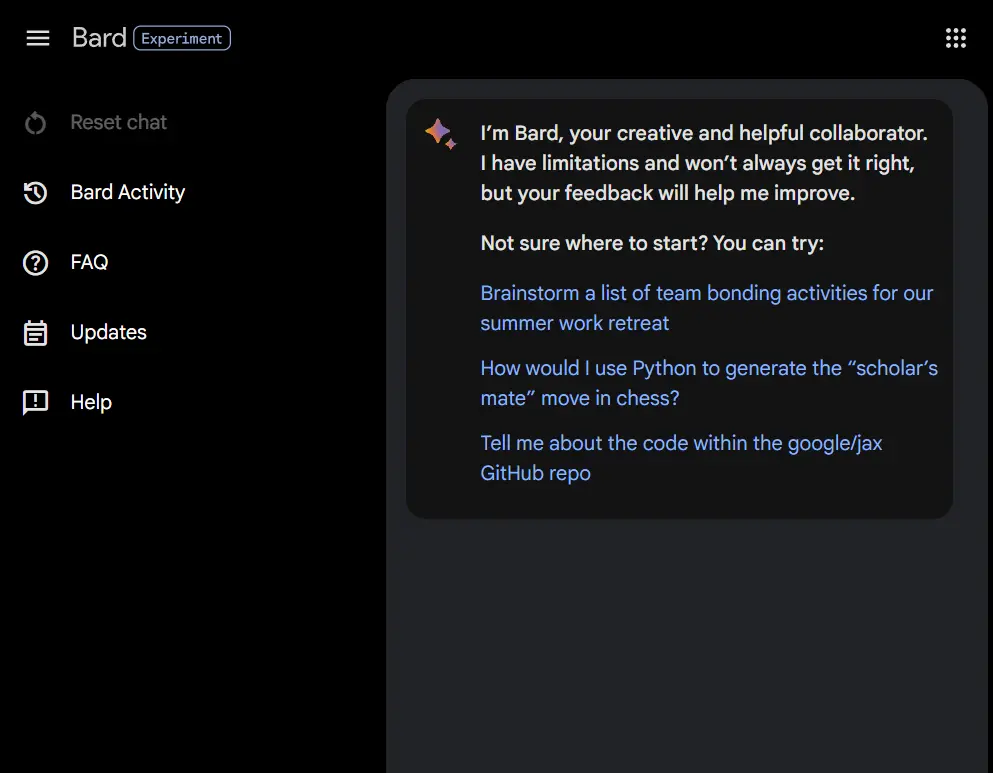
- Key Features: It specializes in answering intricate questions, summarizing lengthy texts, crafting creative content, and itinerary planning. Google Bard integrates Google's vast knowledge graph for accurate, up-to-date responses.
3. Character AI: Personalized AI Chatbot Platform
Overview: Character AI leverages advanced machine learning to offer immersive conversational experiences.
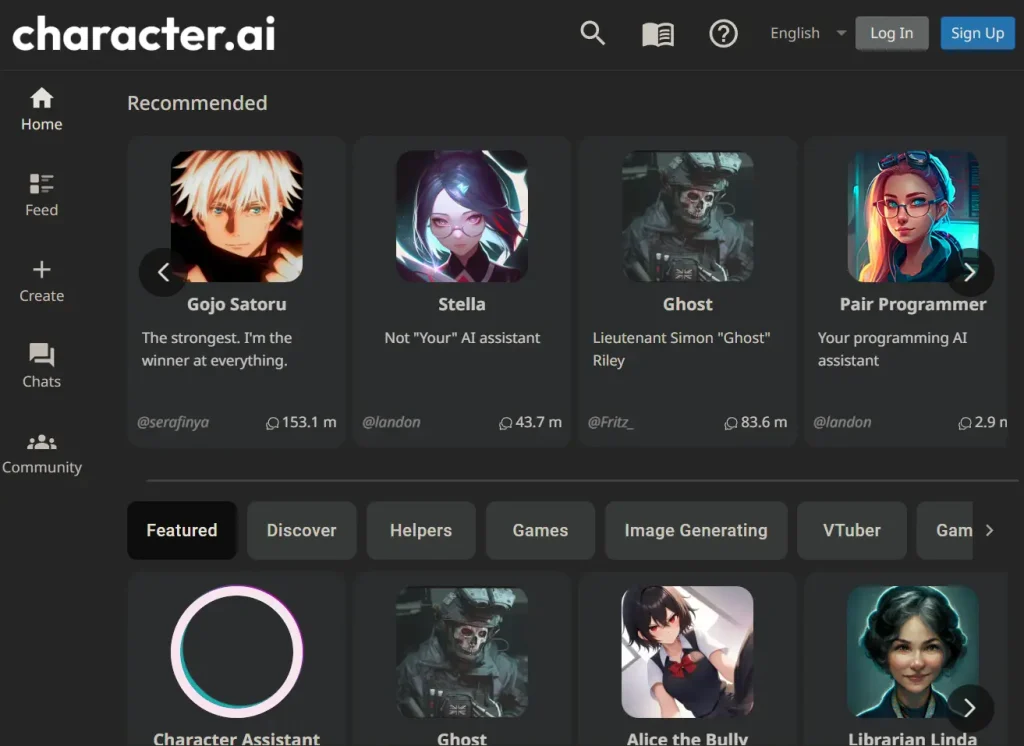
- Key Features: Users can create AI characters with unique personalities and appearances, making it ideal for simulating diverse conversational scenarios.
4. Notion AI: Integrating AI into Workspace
Overview: Notion AI integrates AI tools into the Notion workspace platform, enhancing productivity and creativity.
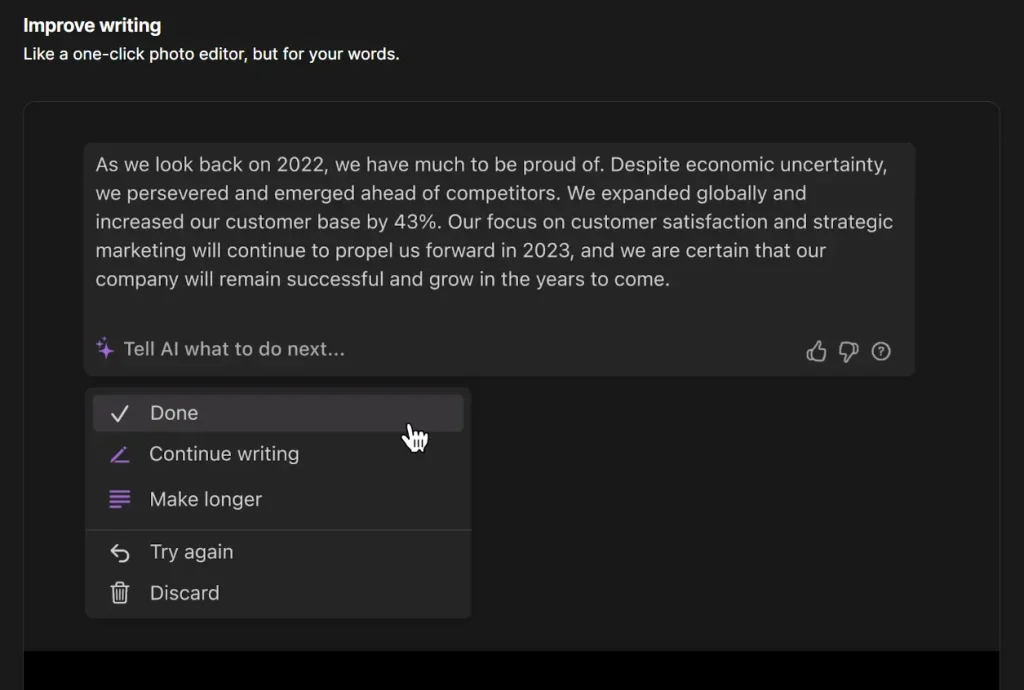
- Key Features: It offers content summarization, writing enhancement, and creativity support, making it a valuable tool for writers and content creators.
5. Quillbot AI: Comprehensive Writing Assistant
Overview: Quillbot AI has evolved from a simple paraphrasing tool to a full-fledged writing assistant.
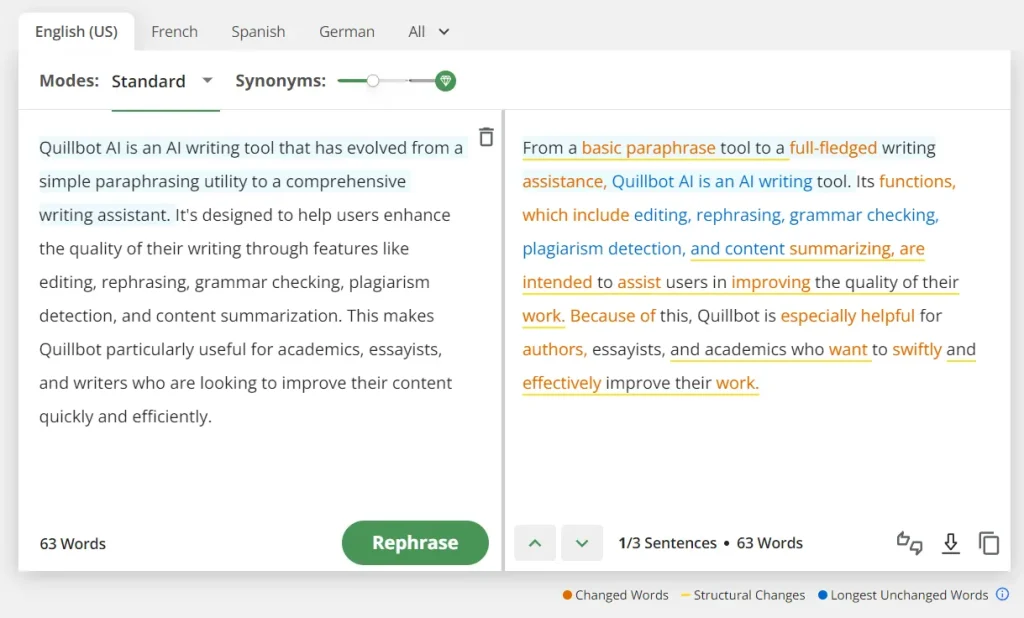
- Key Features: It includes editing, rephrasing, grammar checking, plagiarism detection, and content summarization, catering especially to academic and professional writing needs.
6. Poe: Platform for Open Exploration
Overview: Developed by Quora, Poe is an AI chat service that supports conversations with various advanced AI models.
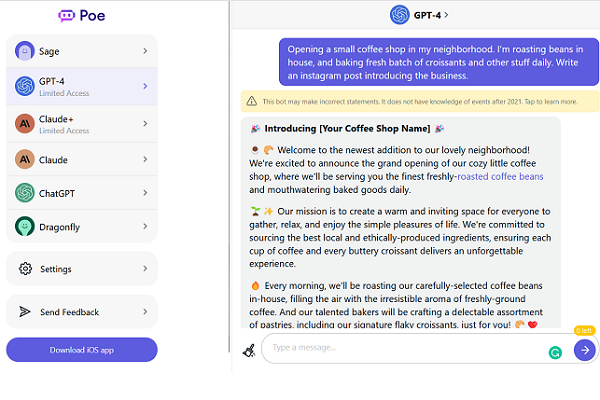
- Key Features: Poe enables interactive dialogues with AIs, offering both free and subscription-based access to premium AI models like GPT-4 and Claude+.
7. Claude: Versatile AI Assistant
Overview: Created by Anthropic, Claude stands out with its upgraded version, Claude 2.
- Key Features: It boasts improved coding abilities, enhanced reasoning, and increased input/output limits, making it a strong tool for various AI-assisted tasks.
8. Civitai: Open-Source Tool for Generative Art
Overview: Civitai is designed for the generative art community, offering a platform for sharing and creating AI art.
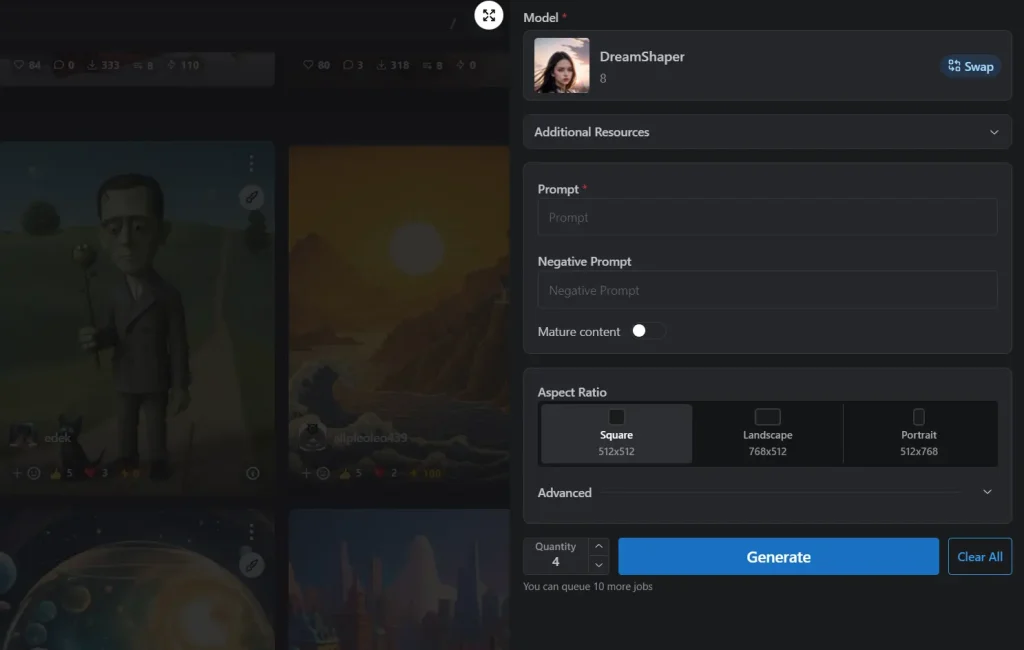
- Key Features: It supports uploading, downloading, and sharing art, fostering a community-centric environment for artists to collaborate and share knowledge.
9. Replit AI: Enhancing the Coding Experience
Overview: Replit AI, part of Replit’s online IDE, aims to streamline coding for developers and students.
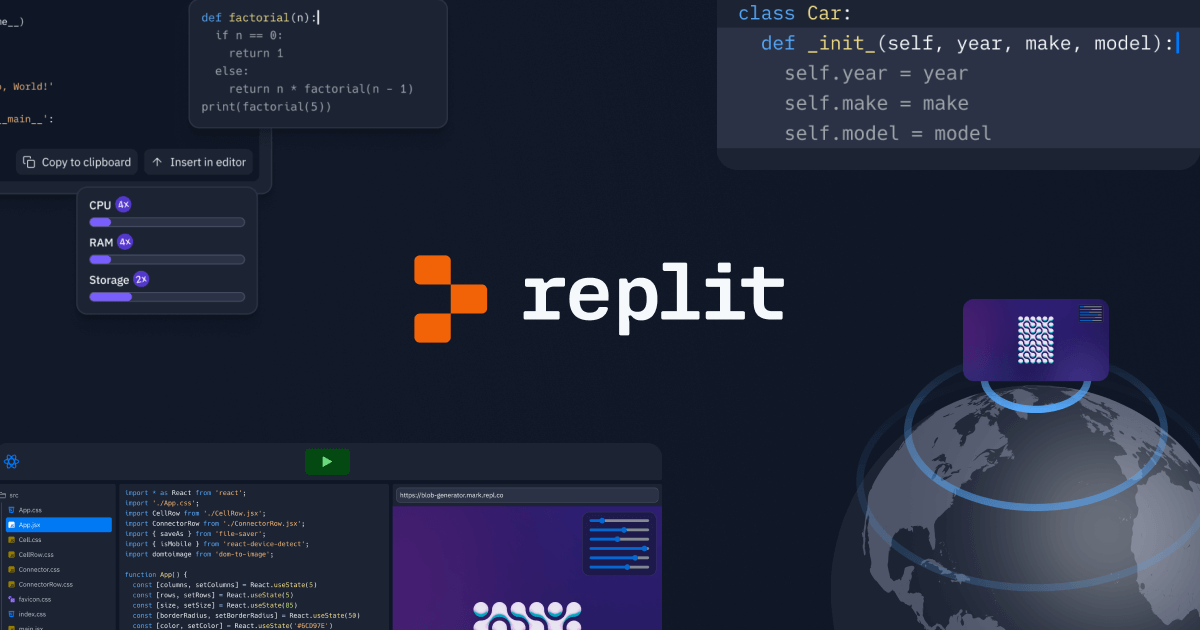
- Key Features: It offers coding assistance, debugging, code generation, and explanations, making coding more accessible and efficient.
10. Midjourney: AI-Powered Image Generation
Overview: Midjourney specializes in creating AI-generated images based on text prompts.
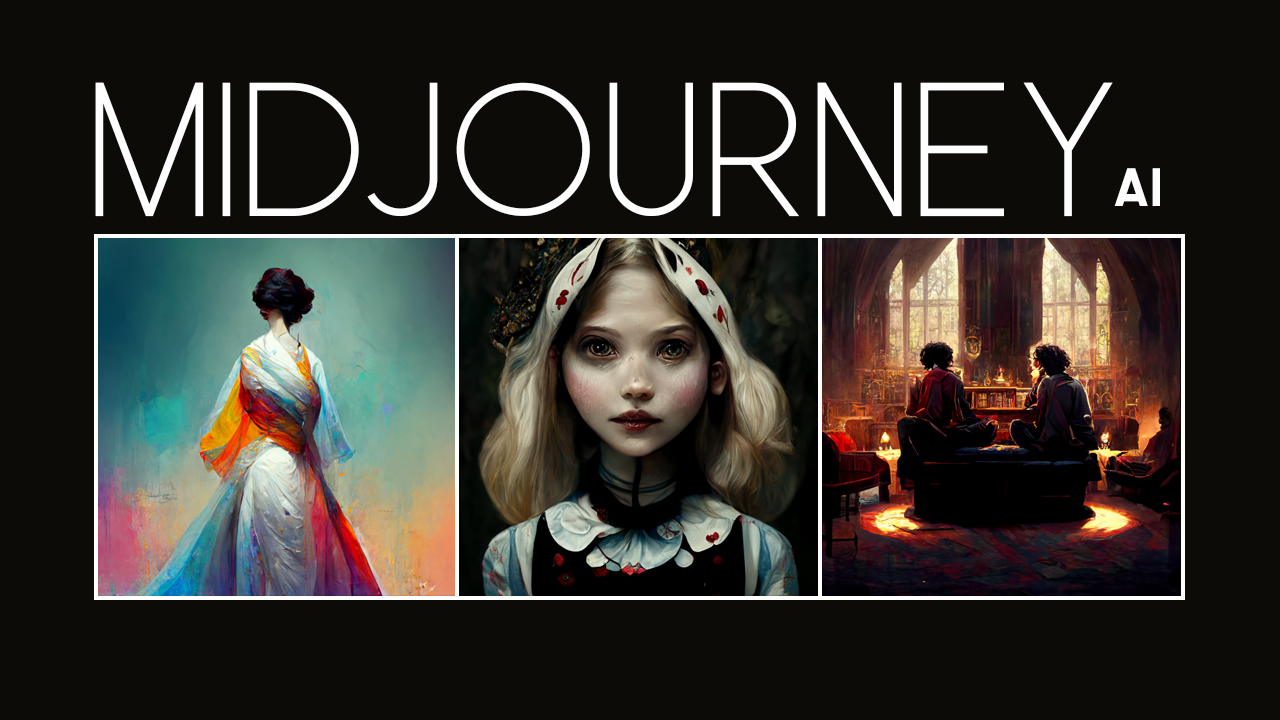
- Key Features: It produces high-quality, creative images, offering different pricing tiers for varied user needs.
Conclusion
The generative AI landscape in 2023 is rich and diverse, offering tools for a multitude of creative and practical applications. From ChatGPT’s conversational mastery to Midjourney’s visual creativity, these tools are shaping the future of digital creativity, making AI an indispensable ally in human innovation. As these technologies continue to evolve, they promise to lower barriers in content creation and open new avenues for creative expression.