Navigating the Future: Top AI Search Engines of 2024
As we journey through 2024, it's clear that the realm of search engines has undergone a radical transformation, thanks to the integration of Artificial Intelligence (AI) and Machine Learning (ML). These technologies have not only reshaped how we interact with digital information but have also introduced an array of AI search engines, each unique in its capabilities and offerings.
1.Microsoft Bing: A GPT-4 Powered Maverick
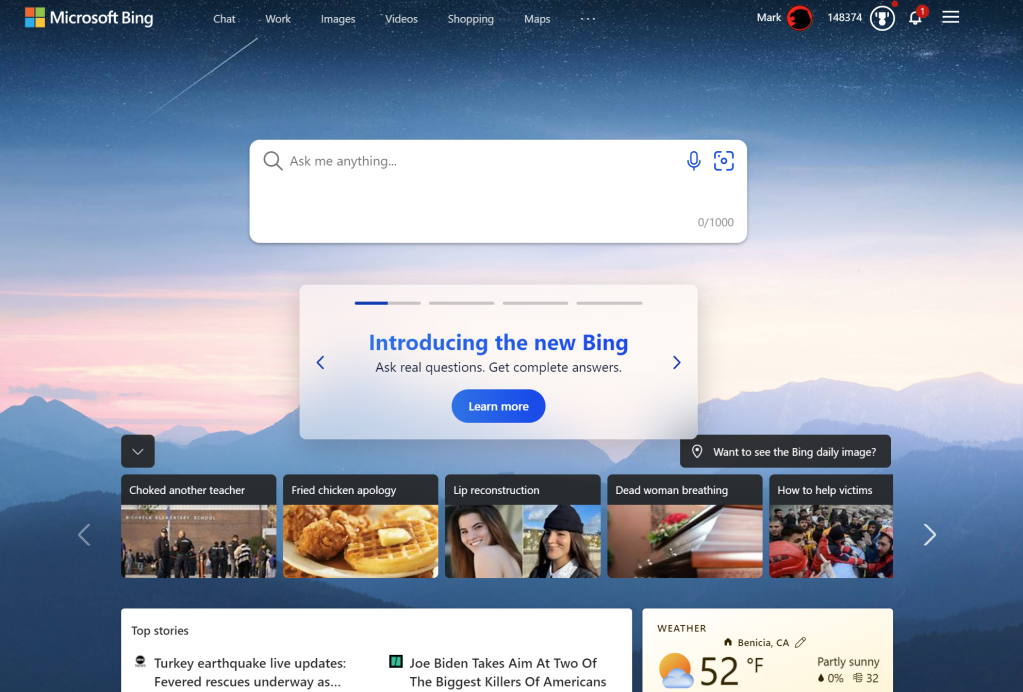
Have you ever wished for a search engine that understands you better than you understand yourself? Enter Microsoft Bing. With its integration of OpenAI's GPT-4, Bing has taken a giant leap forward. Offering voice and visual search, this AI-driven platform is not just a search engine; it's a digital companion, guiding you through the vast expanse of the internet with ease and precision.
2.Google Bard: The LaMDA-Driven Titan
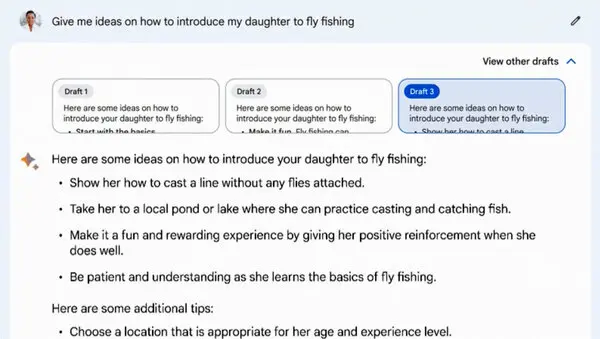
Google, a name synonymous with search, has unveiled its AI powerhouse, Google Bard. Driven by LaMDA, Bard is Google's response to the evolving AI landscape, blending its traditional search prowess with cutting-edge AI features. It's like having a digital oracle at your fingertips, ready to offer personalized and image-rich search results.
3.ChatGPT: The Conversational Virtuoso
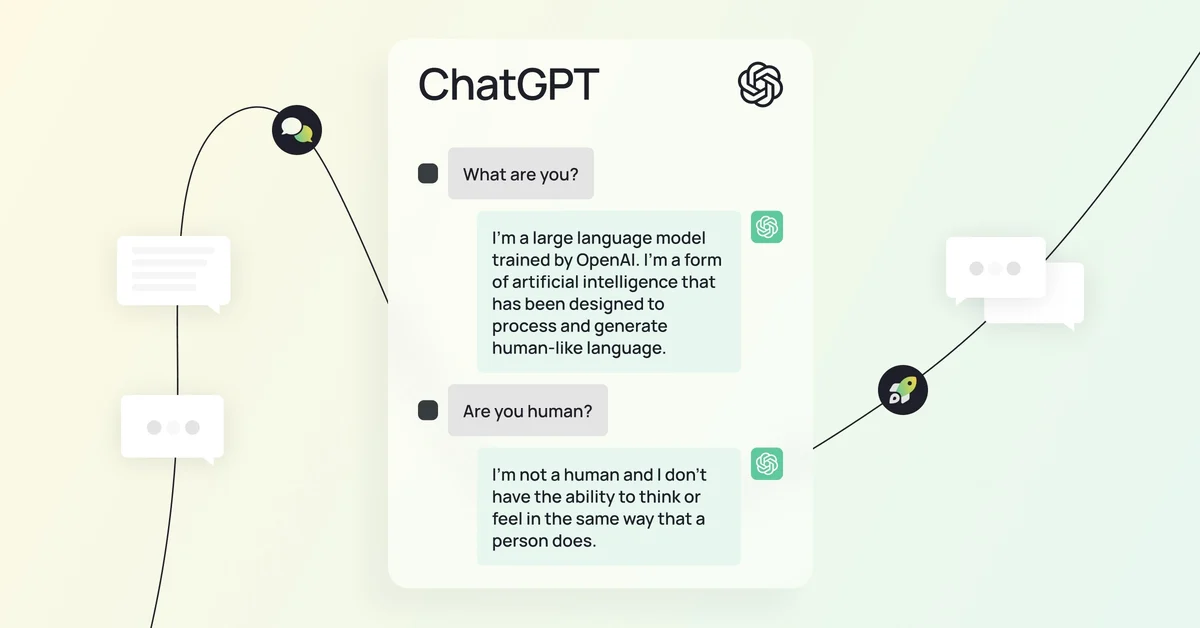
Imagine a search engine that can converse with you, understand your queries in natural language, and offer up-to-date data. That's ChatGPT for you. Developed by OpenAI, this platform has redefined the boundaries of search with its conversational capabilities and natural language understanding. It's not just a search engine; it's a conversation partner, bridging the gap between queries and answers with seamless ease.
4.You.com: The Privacy Guardian
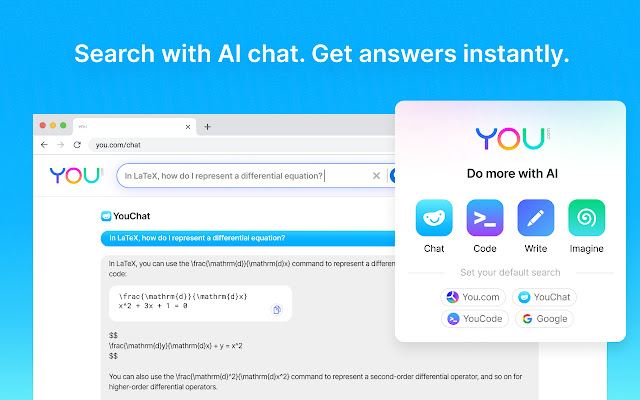
In a world where digital privacy is paramount, You.com emerges as a beacon of security and efficiency. Prioritizing user privacy, this search engine ensures that your digital footprints remain your own. With its user-focused search assistant, YouChat, it offers a sanctuary for those who value privacy in their digital endeavors.
5.Perplexity AI: The Professional's Choice
For professionals and businesses seeking tailored, industry-specific search results, Perplexity AI is a godsend. Leveraging GPT-3.5, and offering an upgrade to GPT-4, it excels in understanding and answering complex, niche queries. It's like having a specialized research assistant at your disposal, dedicated to fetching you the most relevant and accurate information.

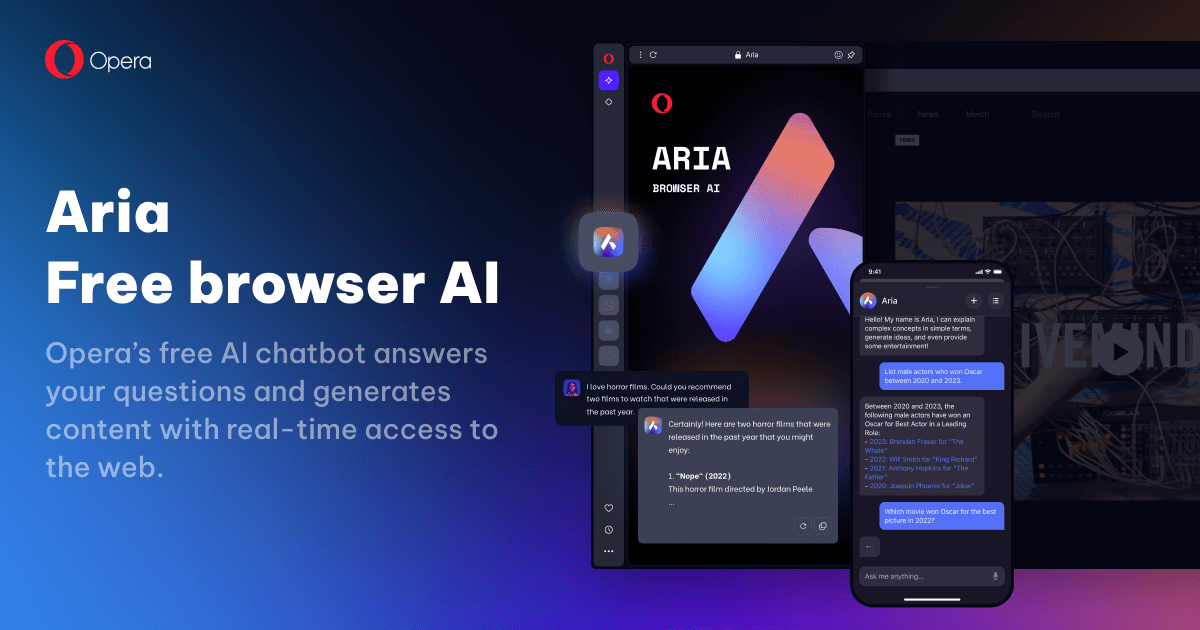
6.Aria by Opera: Integrated and Intuitive
Aria by Opera is not just a search engine; it's an experience. Fully integrated into the Opera browser, it offers a seamless blend of browsing and searching. Its intuitive interface and up-to-date answers make it a perfect choice for those who seek an all-encompassing digital experience.
7.Phind: The Developer's Dream
Phind stands out as a specialized tool for developers. Offering direct answers and code samples, it caters to the technical and detailed needs of the programming world. It's like having a coding mentor, always ready to assist with your technical queries.

8.Exa.ai(Metaphor):Search Rebuilt for AI
Exa API, which offers flexible search capabilities, page content retrieval, customizability, and similarity search. The API allows handling various types of queries, including those that require semantic understanding, and offers keyword-based search for other queries. It also enables the retrieval of clean, full text from any page in the index, application of filters to search over a specific subset of the web, and the ability to search the web using examples of what the user is looking for, such as a URL or multiple paragraphs on a webpage.

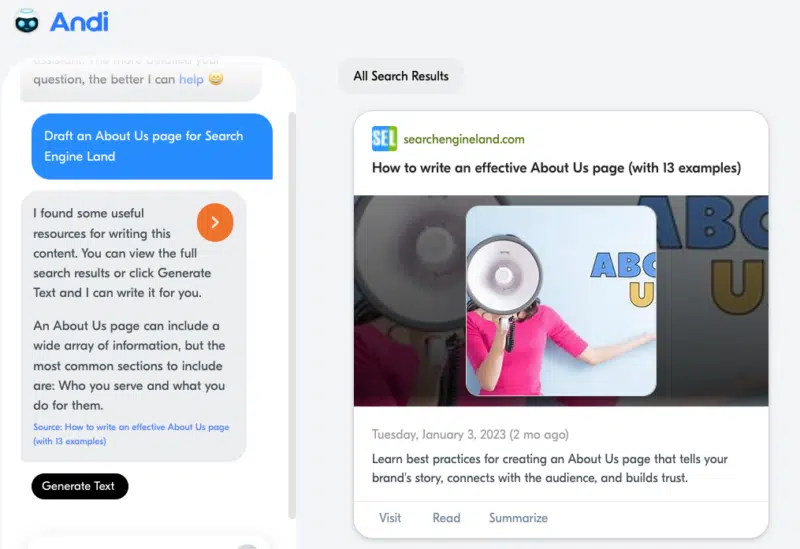
9.Andi Search
Andi is an AI search chatbot that's accurate, ad-free and privacy-focused. It uses a new type of search engine powered by generative AI combined with live data and semantic search technology. Instead of just links, Andi gives you answers - like chatting with a smart friend.
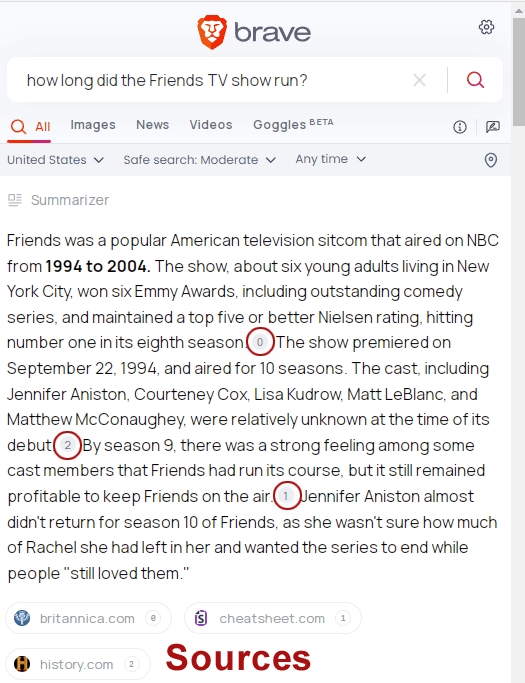
10.Brave AI Search Summarizer
Brave Search has launched a new AI-powered feature calledthe Summarizer, which provides concise and to-the-point answers at the top of Brave Search results pages, solely based on Web search results.The Summarizer is powered by different large language models (LLMs) and provides a synopsis of a search query using different sources.The Brave Search index is constantly refreshed with millions of new pages daily via users who opt in to its privacy-preserving Web Discovery Project contribution framework.
Diving Deeper into the AI Search Engine Universe
As we continue our exploration of AI search engines, we encounter more innovative platforms like Metaphor, Brave Search, and Komo. Each of these engines brings its unique flavor to the table, from Metaphor's transformer model that offers descriptor-based searching to Brave's privacy-first approach and Komo's fast, ad-free experience.
Conclusion: Embracing the AI Search Revolution
The journey of search engines, from their inception to the AI-driven wonders of 2024, is nothing short of remarkable. As we embrace this new era, we are equipped with an arsenal of AI search engines, each promising a more personalized, accurate, and efficient search experience. Whether it's for professional research, personal curiosity, or technical inquiries, there's an AI search engine out there for everyone, waiting to be explored.
FAQs:
What are AI search engines?
AI search engines are the new generation of search tools that use artificial intelligence technologies like machine learning and natural language processing to improve search capabilities and performance. They are designed to understand user queries, interpret context, and generate intelligent search results.
How do AI search engines differ from traditional search engines?
Unlike traditional search engines, AI search engines are capable of understanding natural language queries and context, providing personalized search experiences, and offering advanced features like voice and image search. They use machine learning to continually improve performance, learning from user interactions to refine their understanding and adapt to changing needs.
Why should I consider using an AI search engine?
AI search engines offer several advantages over traditional search engines, such as more accurate, relevant, and personalized results. They are generally user-friendly and seamlessly integrated with various platforms. Their ability to understand natural language queries and context makes them more intuitive to use.
What are some examples of AI search engines available in 2024?
Examples include Microsoft Bing with GPT-4 integration, Google Bard powered by LaMDA, OpenAI's ChatGPT, You.com, Perplexity AI, Aria by Opera, Phind, Metaphor, Brave Search, and Komo.
How do AI search engines maintain user privacy?
Many AI search engines prioritize user privacy. For instance, You.com offers a privacy-focused search assistant and doesn’t track users' searches or locations in certain modes. Brave Search emphasizes privacy by not tracking users' activities and only displaying ads based on queries, not user data.
Are there any free AI search engines?
Yes, many AI search engines offer free versions. For example, Microsoft Bing, Google Bard, ChatGPT, You.com, Perplexity AI, Aria by Opera, Phind, Brave Search, and Komo all have free versions available.
Can AI search engines handle specialized queries, like technical or industry-specific searches?
Yes, some AI search engines are designed for specialized queries. For example, Perplexity AI is designed for professionals and businesses, offering industry-specific search results, while Phind is optimized for technical questions, particularly useful for developers.