Optimizing Development Workflow: A Review of Leading AI-Powered Coding Assistants in 2024
The landscape of software development is witnessing a profound transformation with the integration of Artificial Intelligence (AI). AI-powered coding assistants are redefining efficiency and innovation by automating mundane tasks, improving code quality, and assisting in complex development challenges. As we step into 2024, let’s delve into the capabilities and offerings of the top AI coding assistants that are reshaping the developer experience.
Harnessing AI for Enhanced Coding Productivity
AI coding assistants have become a cornerstone in the realm of software development. These tools leverage machine learning and vast coding databases to offer valuable insights, predict coding outcomes, and even automate routine coding tasks. Developers across the globe are now equipped to enhance their productivity and focus on more strategic work, thanks to the support from these intelligent coding companions.
The Leaders in AI-Assisted Coding
Here's a closer look at some of the most innovative and impactful AI coding assistants that are currently leading the market:
GitHub Copilot: Your Coding Co-Pilot
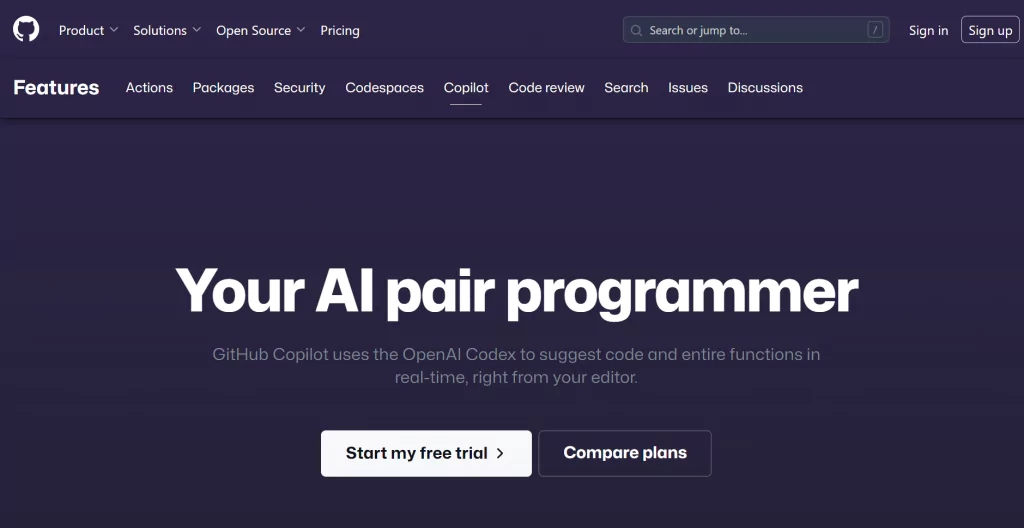
GitHub Copilot stands out with its deep integration of OpenAI's GPT model. This tool understands coding patterns and context, offering real-time suggestions for lines or blocks of code. It's a boon for troubleshooting and rapid prototyping, with free access for certain users and a reasonable monthly fee for others.
Tabnine: AI Empowered Code Predictions
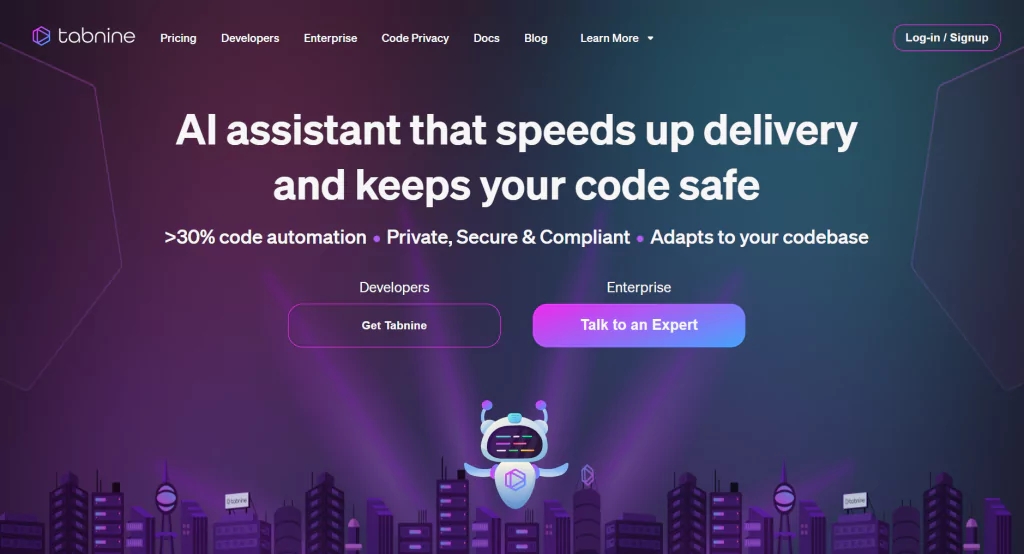
Tabnine shines with its context-aware code suggestions, supporting a multitude of programming languages. Privacy is paramount with options for local AI training on your code. It excels in delivering real-time completions and is compatible with a variety of IDEs.
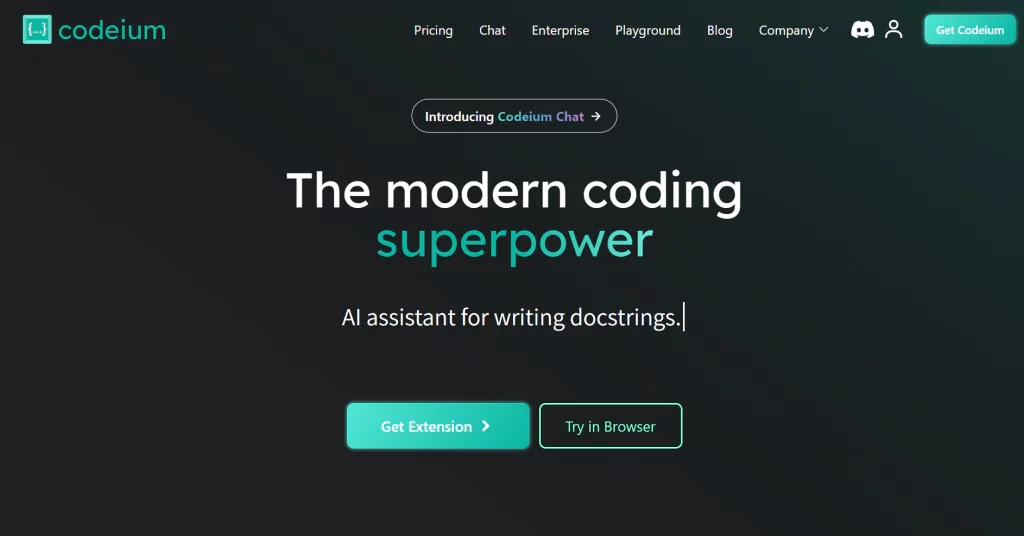
Codeium: The Open-Source Innovator
Codeium, although newer to the scene, supports over 70 languages and focuses on eliminating repetitive coding tasks. This tool is community-driven, with updates and enhancements coming from developer contributions. Its self-hosted approach places a strong emphasis on data privacy.
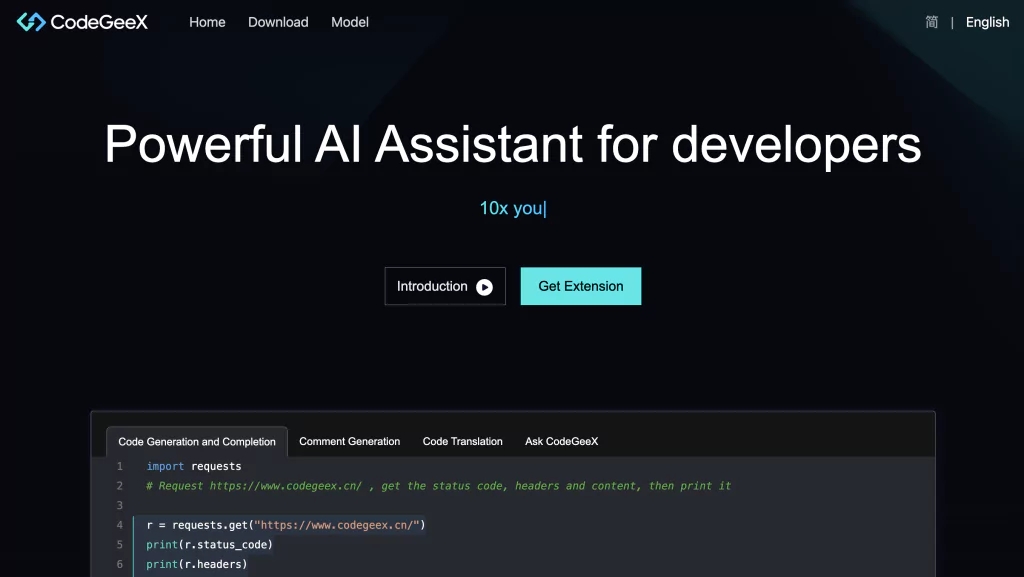
CodeGeeX: Multilingual and Multi-Mode
CodeGeeX offers unparalleled versatility with support for over 30 languages and various operation modes, including the ability to translate code across languages. It is free to use and integrates as a VS Code extension, promoting accessibility to developers around the world.
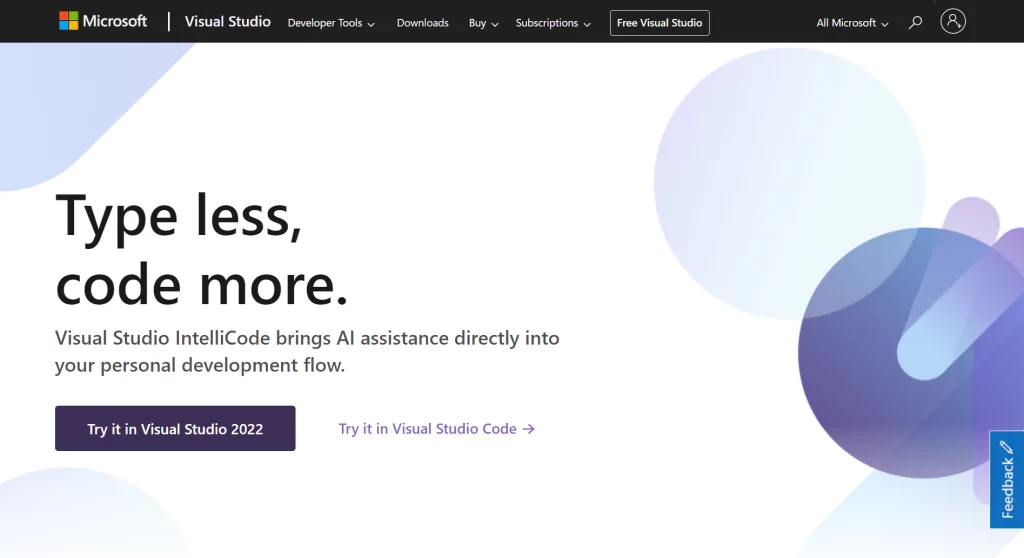
Visual Studio IntelliCode: Intelligent Coding Companion
Developed by Microsoft, Visual Studio IntelliCode learns from a multitude of codebases to provide highly relevant suggestions. It aims to boost productivity and minimize errors, with a focus on common coding patterns and seamless integration with Visual Studio.
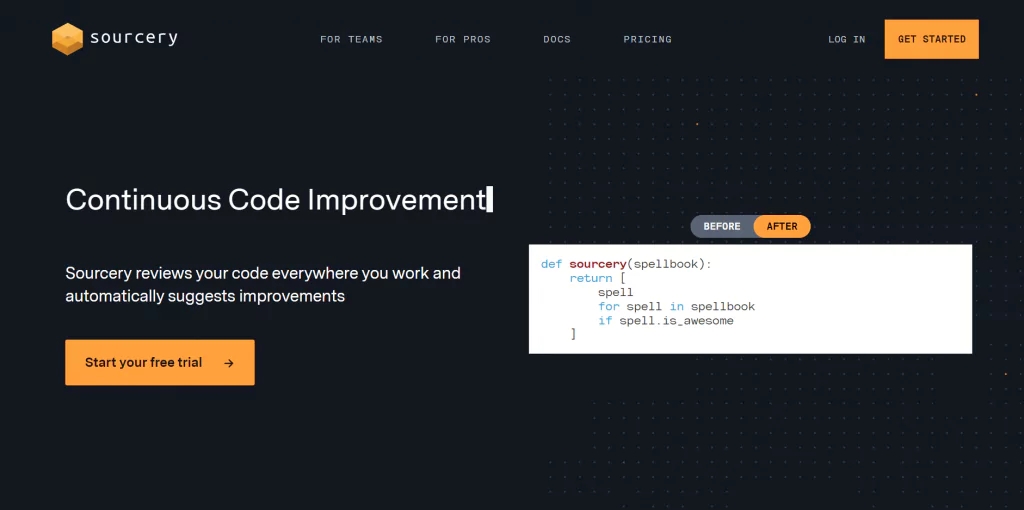
Sourcery: Specialized AI Refactoring
Sourcery specializes in Python and JavaScript, offering advanced refactoring and code quality enhancements. It identifies potential bugs and performance issues, helping to streamline the coding process with intelligent suggestions based on best practices.
Choosing the Right AI Coding Assistant: A Comprehensive Guide
When selecting an AI coding assistant, consider factors such as coding language support, integration with your existing tools, user-friendliness, cost, and the type of coding assistance you need. Whether you're looking for code completion, debugging, or refactoring, the right assistant can significantly improve your coding workflow.
FAQs: Your AI Coding Assistant Queries Answered
Which AI coding assistant is considered the best?
The "best" AI coding assistant varies by individual needs. GitHub Copilot, Tabnine, Codeium, CodeGeeX, Visual Studio IntelliCode, and Sourcery are among the top choices, each with unique strengths.Are there free AI coding assistants available?
Yes, tools like GitHub Copilot have free plans for certain users, and many others offer free tiers with basic functionality.Will AI replace human programmers by 2024?
AI is unlikely to replace human programmers by 2024. It serves as an enhancement tool, assisting with routine tasks and streamlining workflow rather than replacing the nuanced, creative aspects of programming.Could AI take over coding altogether in the future?
While AI will automate certain coding aspects, the complete takeover by AI is improbable due to the inherent need for human creativity, problem-solving, and understanding of complex business requirements.What AI tools are available to assist with coding?
AI coding assistants include GitHub Copilot, Tabnine, Codeium, CodeGeeX, Visual Studio IntelliCode, and Sourcery, each offering a range of functionalities to support coding.Can AI generate Python code?
Yes, AI coding assistants like GitHub Copilot and Sourcery can suggest and create Python code snippets in context to the developer's current work.
By embracing the strengths of AI coding assistants, developers can look forward to a more productive and innovative coding environment in 2024 and beyond.