Mastering AI Content Detection: The 10 Best Tools for 2024
In our rapidly evolving digital landscape, the line between human and AI-generated content is becoming increasingly blurred. As a content creator or digital marketer, distinguishing between these two is crucial. That's where AI detection tools come into play. Let's dive into the top 10 AI detection tools that stand out in 2024, ensuring your content remains authentic and credible.
Understanding AI Detection Tools
What Are AI Detection Tools?
AI detection tools are sophisticated software programs designed to differentiate between content created by humans and that generated by AI. Using advanced algorithms and linguistic analysis, these tools scrutinize text for patterns and anomalies typical of AI-generated content.
How Do They Work?
These tools primarily assess perplexity and burstiness. Perplexity relates to the predictability of text, while burstiness measures variation in sentence structure and length. AI tends to produce text with low perplexity and burstiness, making it more uniform than human writing.
The Top 10 AI Detection Tools of 2024
1. Crossplag
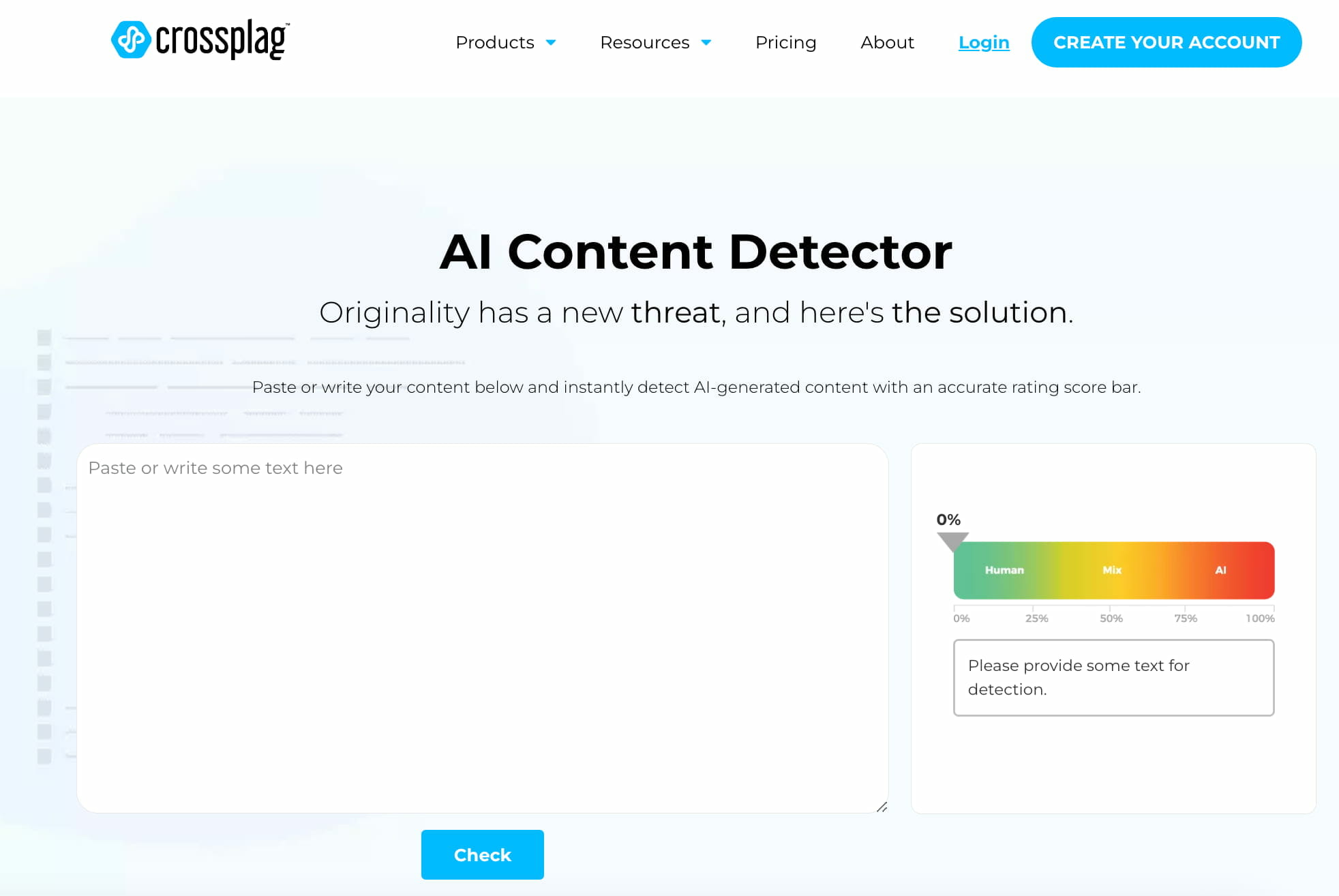
Crossplag stands out for its ease of use and robust algorithm trained with over 1.5 billion parameters. However, it supports only English and lacks a graphical interface.
2. GLTR
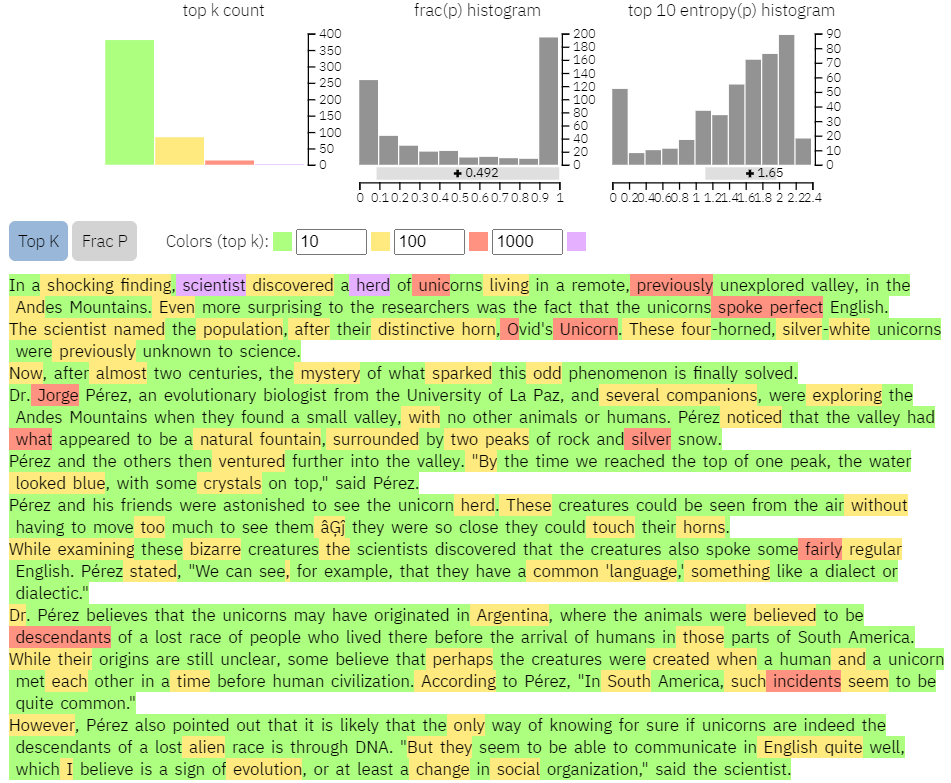
Developed by MIT-IBM Watson AI Lab and HarvardNLP, GLTR excels in analyzing word sequences to detect AI involvement. It's color-coded for easy interpretation but may struggle with newer AI models.
3. Copyleaks
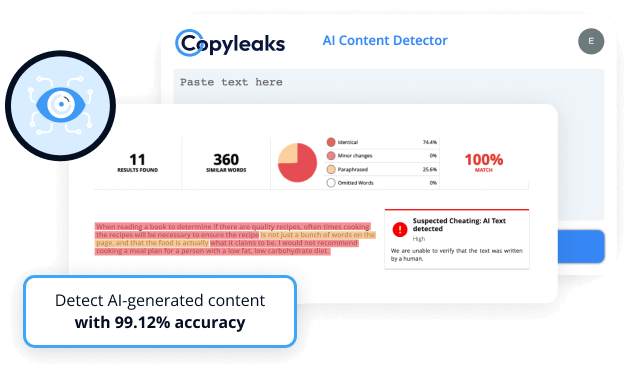
Copyleaks offers a probability score to gauge AI-generated content. It's suitable for articles up to 25,000 characters, making it a versatile choice for various content lengths.
4. Writer
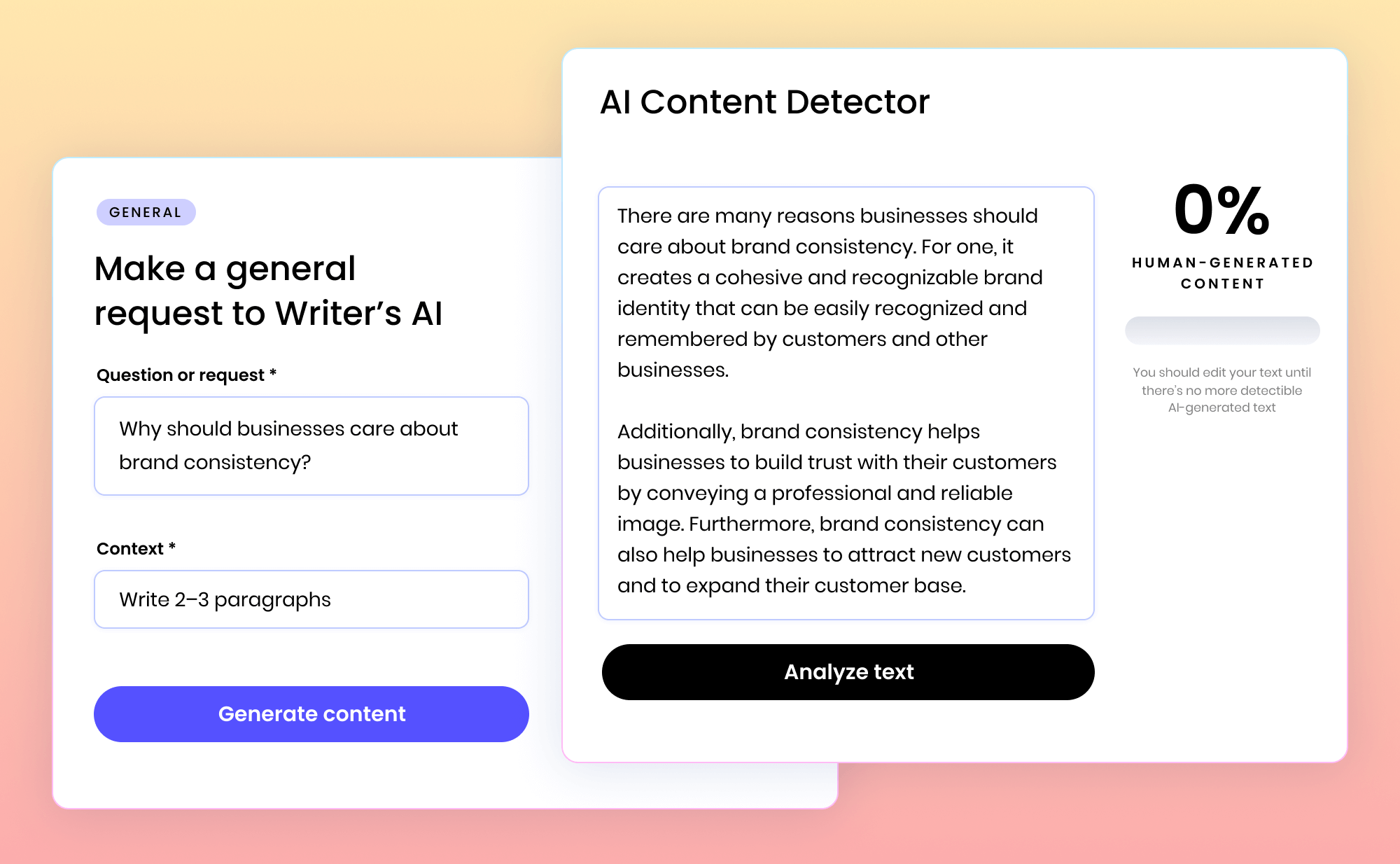
Targeting B2B businesses, Writer assists in both AI content creation and detection. It's less effective with the latest AI models and has a 1,500-character limit.
5. Content at Scale
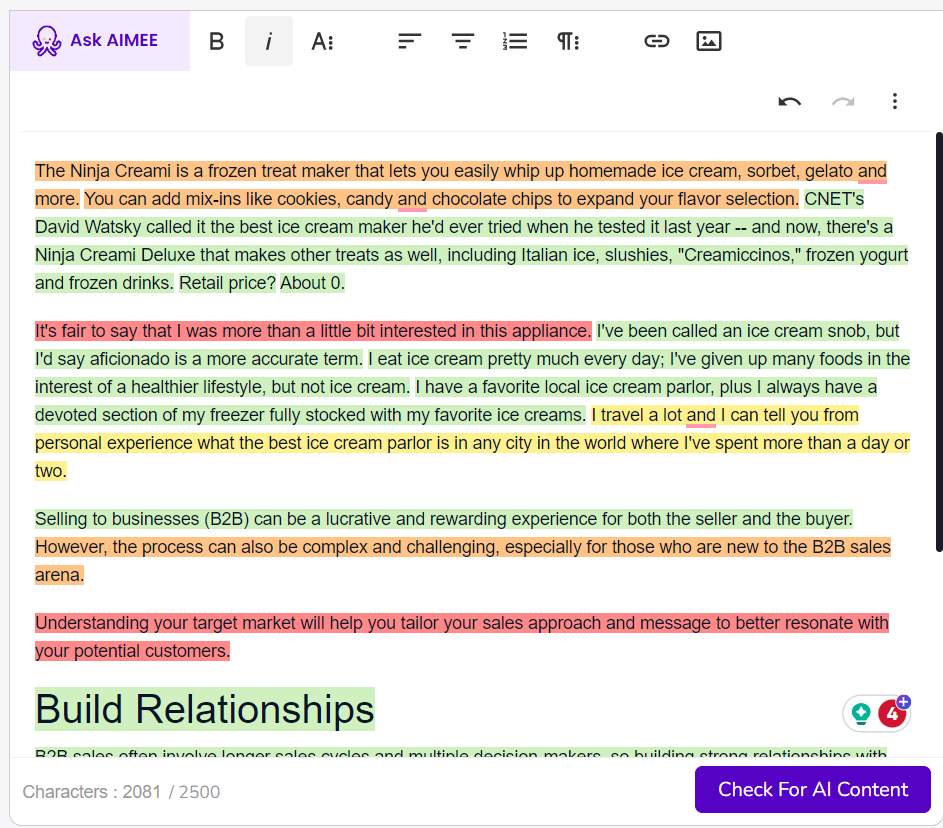
This platform is ideal for ensuring the authenticity of digital content. It provides real-time analysis and differentiates effectively between human and machine-generated text.
6. Sapling AI Detector
Best for short-form content, Sapling AI Detector can detect AI involvement in texts as short as 50 words. However, its accuracy and cost-effectiveness have been questioned.
7. Originality.ai
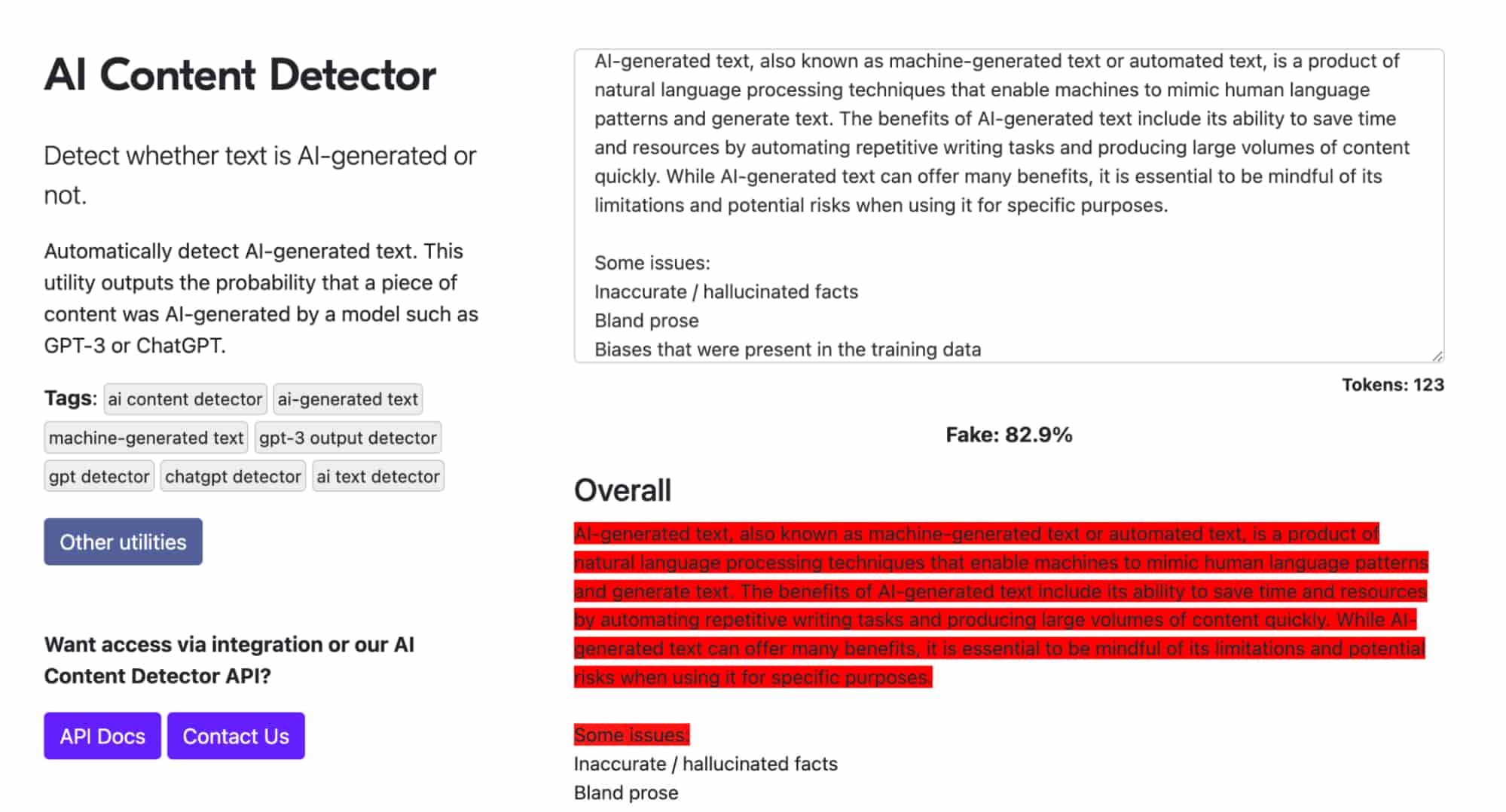
Known for its accuracy and a plethora of features like plagiarism checking, Originality.ai is a premium tool that guarantees reliable results.
8. Kazan SEO
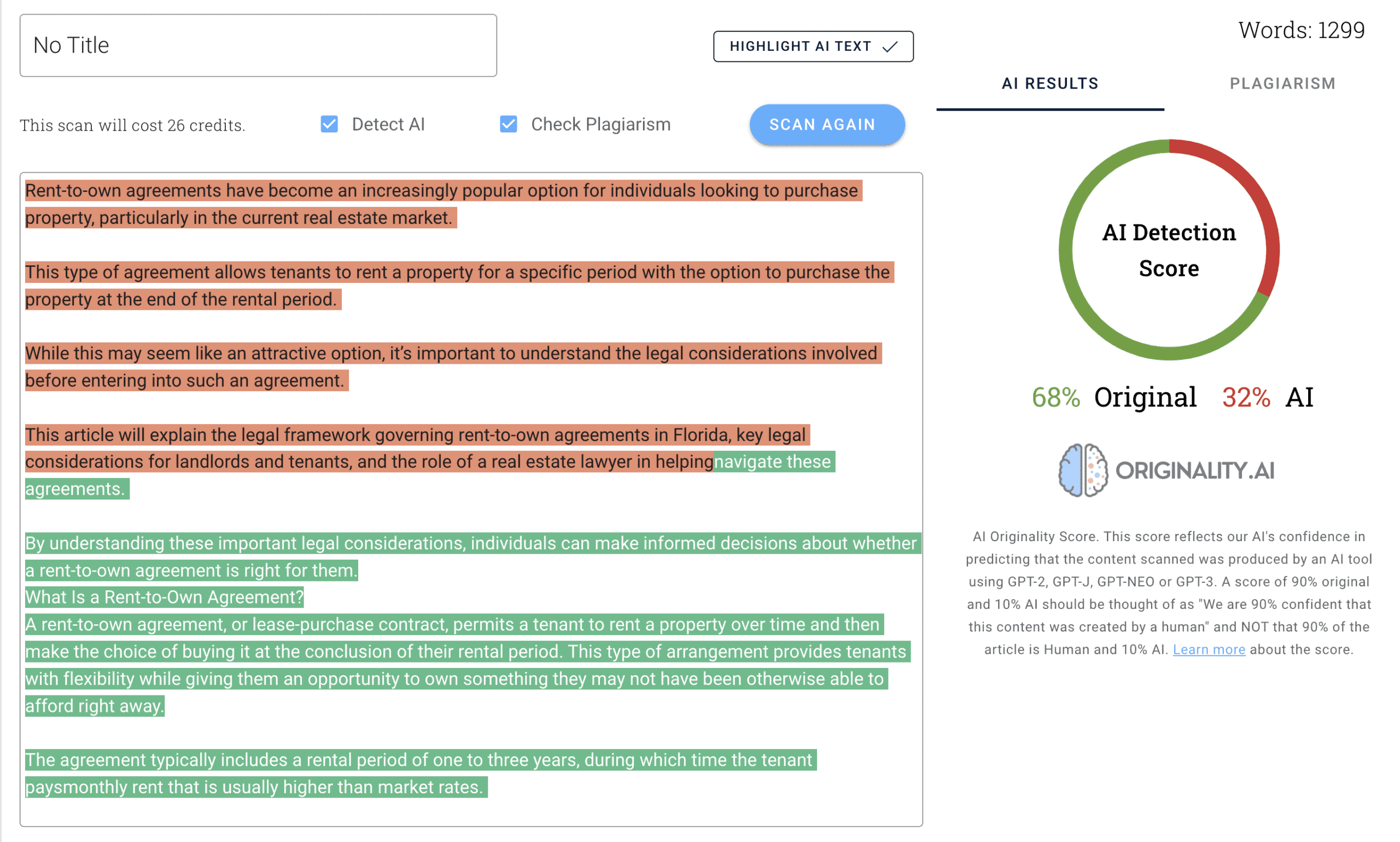
An all-in-one tool for SEO and AI detection, Kazan SEO is more suited for users needing comprehensive SEO tools rather than simple AI detection.
9. Undetectable.AI
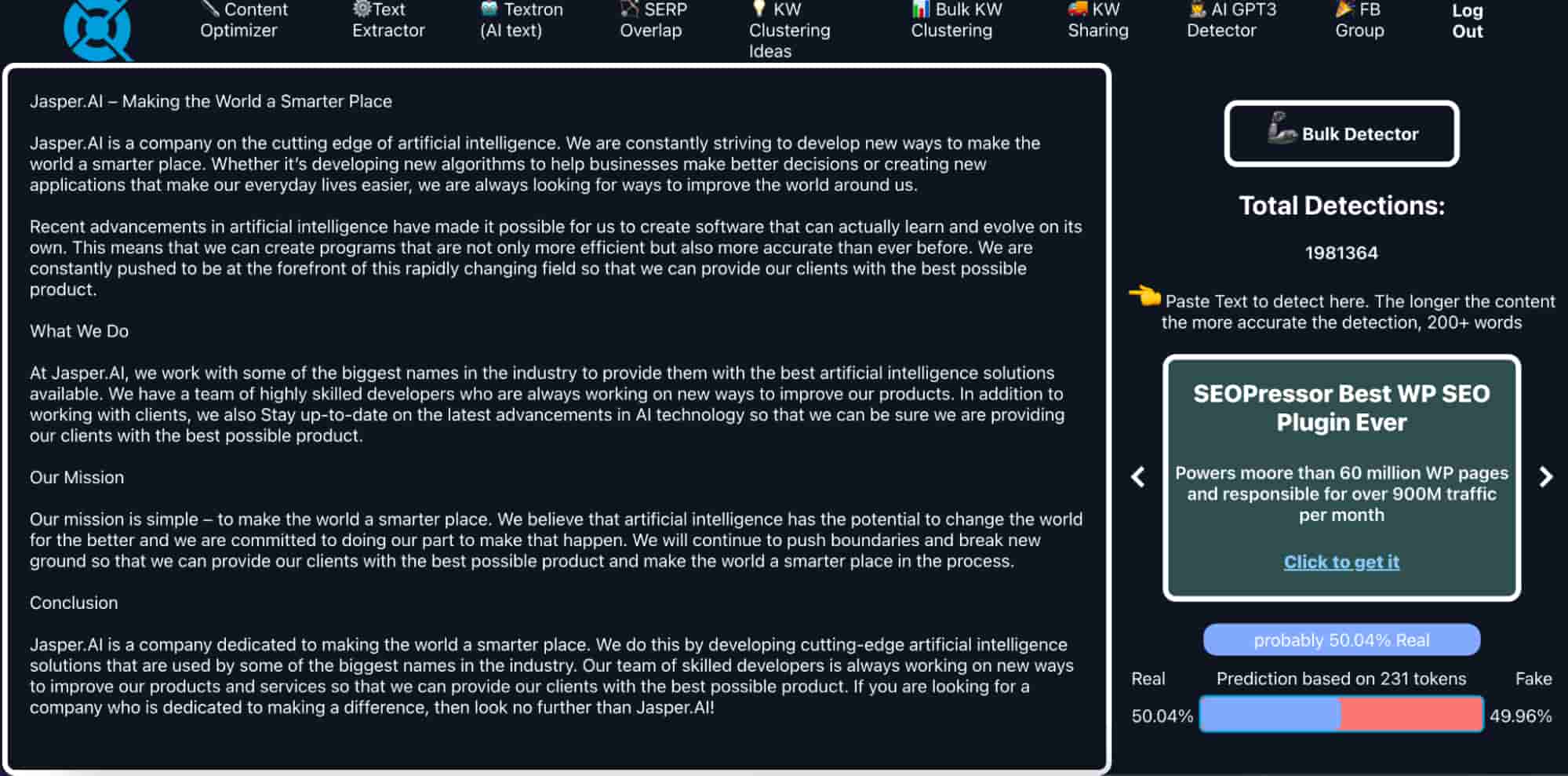
What sets Undetectable.AI apart is its ability to aggregate scores from 8 different AI detectors. However, it doesn't highlight specific parts of the text that seem less human.

10. GPTZero
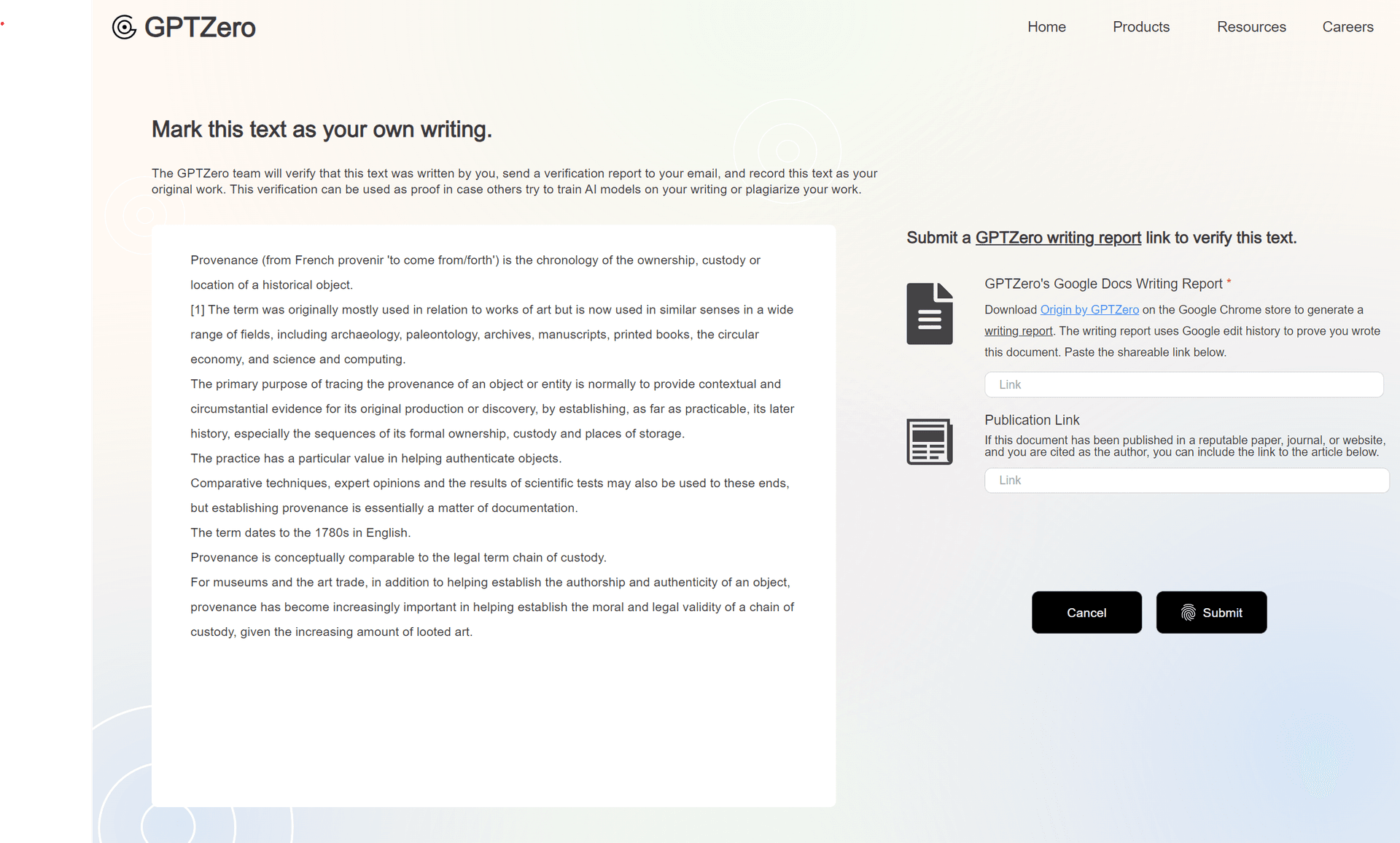
GPTZero is an AI detection tool that brings transparency to the use of AI content. It is trained to detect various AI models and offers features such as deep analysis, source scanning, and access to a detection dashboard. The tool can be used by educators, organizations, and individuals to identify AI-generated text and understand its implications.
Conclusion
Navigating the world of AI-generated content can be challenging, but with these top 10 AI detection tools, you're well-equipped to maintain the authenticity and integrity of your content. Remember, while AI can mimic human writing, the creativity and uniqueness of human touch remain unmatched.
FAQ
Q1: What is AI Content Detection?
A1: AI content detection refers to the process of using specialized software tools to determine whether a piece of content was generated by an AI, like ChatGPT, or written by a human. These tools analyze various aspects of the text, including its structure, predictability, and linguistic patterns.
Q2: Why is Detecting AI-Generated Content Important?
A2: As AI writing tools become more sophisticated, it's becoming harder to distinguish between human and AI-generated content. Detecting AI-generated content is crucial for maintaining academic integrity, ensuring content originality, and upholding the value of human authorship in various fields.
Q3: How Accurate are AI Detection Tools?
A3: The accuracy of AI detection tools varies, but most offer a significant level of precision. However, no tool can guarantee 100% accuracy due to the evolving nature of AI writing technologies and the complexity of human language. The context, length, and topic of the content can also affect accuracy.
Q4: Can AI Detection Tools Identify All Forms of AI-Generated Content?
A4: While AI detection tools are sophisticated, they may not identify all forms of AI-generated content, especially if the content is heavily edited or blended with human writing. Advances in AI technology can also pose new challenges for existing detection tools.
Q5: Are There Free AI Detection Tools Available?
A5: Yes, there are free AI detection tools available, such as GLTR and Sapling AI Detector. However, free tools might have limitations in terms of features, accuracy, and the length of content they can analyze compared to their paid counterparts.
Q6: Can AI Detection Tools Replace Human Editors?
A6: AI detection tools are not replacements for human editors. While they are useful for initial screenings, human insight is essential for nuanced understanding, contextual judgment, and creative input that AI currently cannot replicate.