NotebookLM: Google Labs' AI-Powered Writing and Reading Assistant
In today's digital age, AI technology has permeated various aspects of our lives, including software applications. While many tools have been enhanced with AI capabilities, Google Labs has developed a unique experiment called NotebookLM. This AI-native application aims to revolutionize the way users read and write by providing a seamless and efficient user experience. In this blog post, we will explore the core functionalities of NotebookLM and its potential to transform how we interact with documents.
The Power of NotebookLM: Reading and Writing Assistance
Enhancing the Reading Experience
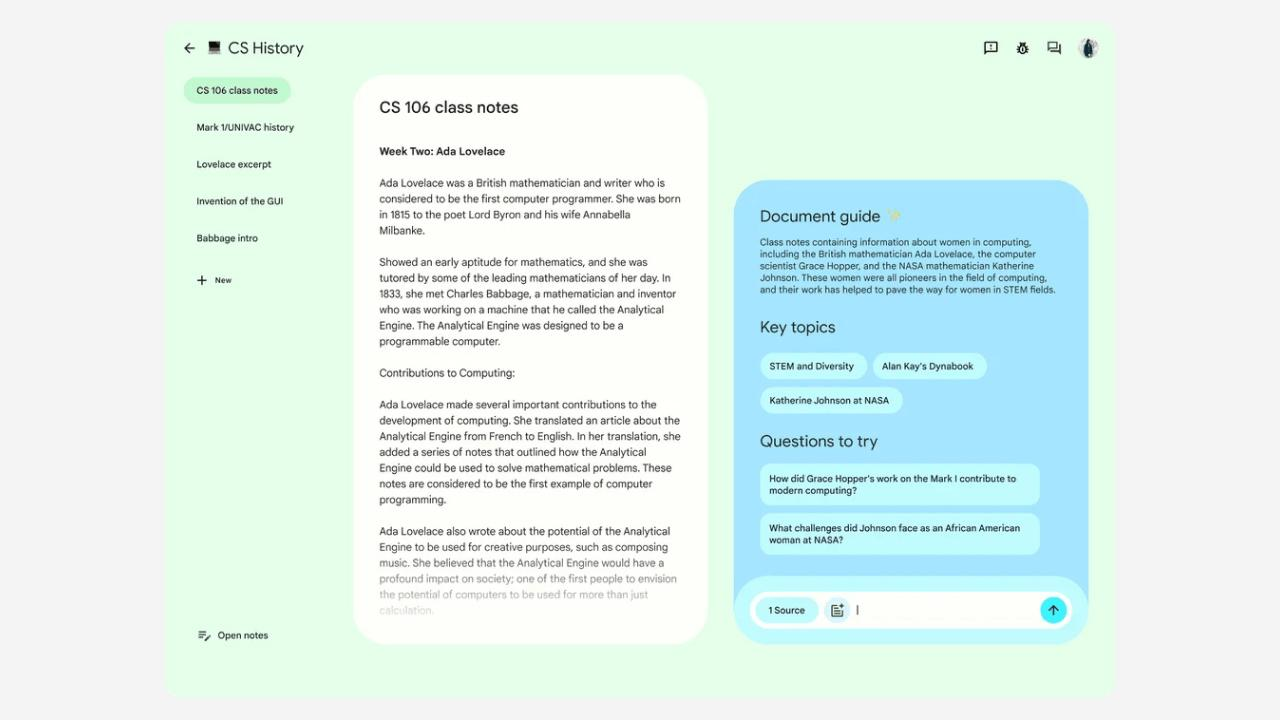
NotebookLM's primary objective is to help users read and understand documents more effectively. By leveraging its powerful language model, Gemini Pro, NotebookLM offers a smooth reading experience. Users can simply paste text into the application, and it provides clear and logical answers to any questions or uncertainties. It even highlights the source of the information within the original document, allowing users to quickly navigate to the relevant section.
Simplifying Document Organization
NotebookLM adopts a simple folder structure for organizing files. Each notebook acts as an independent folder, and users can upload various file types, such as PDFs or text documents, directly from Google Drive or by copying and pasting. Once uploaded, NotebookLM automatically generates summaries and extracts keywords from each document. By clicking on these keywords, users can quickly gain insights into the document's key discussions. Additionally, NotebookLM allows users to take notes conveniently in two ways: by saving AI-generated responses or by adding their own thoughts and ideas.
Future Features and Potential Applications
Advanced Document Exploration and Output
Although NotebookLM's writing assistance features are still under development, Google Labs has promised to introduce a range of practical writing tools in the future. These tools will enable users to create outlines, draft introductory paragraphs, and merge and categorize notes to generate custom-formatted documents. With NotebookLM's capabilities, users can effortlessly produce blog articles, marketing plans, or any desired initial drafts.
Text Improvement and Expansion
NotebookLM offers users the ability to improve their writing by selecting specific paragraphs and utilizing suggested actions. For instance, the application provides a text improvement option that uses AI to enhance the meaning and language of existing content. Additionally, NotebookLM enables users to expand fragmented thoughts or classroom notes into complete grammatical sentences.
Fact Verification and Source Validation
To ensure the accuracy of their writing, users can select a portion of text and choose the "Verify Source" option. NotebookLM then cross-references the facts within the text with the original source and displays the results. This feature allows users to easily validate the information they include in their writing and provides a one-click option to return to the original source.
The Workflow of NotebookLM: A Paradigm Shift in Reading and Research
Collecting and Organizing Reading Material
Imagine a future workflow where users can collect and organize their reading materials in a project within NotebookLM. This AI-powered assistant facilitates in-depth reading by quickly summarizing each document and extracting key keywords. Users can jot down their thoughts and interesting points as notes, which can be saved alongside the AI-generated responses. These notes then serve as source documents to guide users in further exploration and questioning.
Deepening Understanding and Accuracy
When users pose questions to NotebookLM, it extracts and summarizes relevant information from the provided source material, enabling a deeper understanding of the content. Clicking on specific references immediately takes users to the corresponding paragraphs in the original source, allowing for contextual comprehension. Users can also pin down AI-generated responses as fixed notes alongside their own, creating a continuous cycle of questioning and discovery that enhances their understanding and accuracy.
Conclusion:
NotebookLM, Google Labs' AI-powered writing and reading assistant, offers a powerful and efficient tool for users to enhance their reading and writing experiences. With its ability to read documents seamlessly and provide logical answers, NotebookLM simplifies the learning process. While the writing assistance features are still being developed, the promise of advanced tools for document exploration and output holds great potential. However, as we increasingly rely on AI for thinking and analysis, it is essential to strike a balance and ensure that our own critical thinking skills continue to thrive. NotebookLM presents an exciting glimpse into the future of AI collaboration, but it also raises important questions about ownership and the potential impact on human creativity and independent judgment.