Empowering Academic Research: Top 10 AI Tools to Streamline Your Study
Academic research is a cornerstone of progress across various disciplines. With advancements in technology, Artificial Intelligence (AI) has emerged as a significant partner in research, offering tools that enhance efficiency, accuracy, and productivity. This article explores some of the leading AI tools designed to aid researchers in their quest for knowledge.
AI Software for Academic Researchers: An Overview
The journey of academic research can be daunting, with numerous challenges ranging from the extensive volume of literature to the complexity of data analysis. AI tools offer a solution to these challenges by automating and optimizing various parts of the research process.
The Premier AI Tool for Academia: A Forward-Looking Perspective
With the advent of advanced AI language models, the research community finds itself at a crossroads. These tools promise to democratize knowledge and enhance educational opportunities, yet they also raise concerns regarding academic integrity and the reliability of their outputs.
Harnessing AI: Top Tools to Enhance Academic Research
Researchers now have a plethora of AI tools at their disposal, each offering unique features that cater to the specific needs of academia.
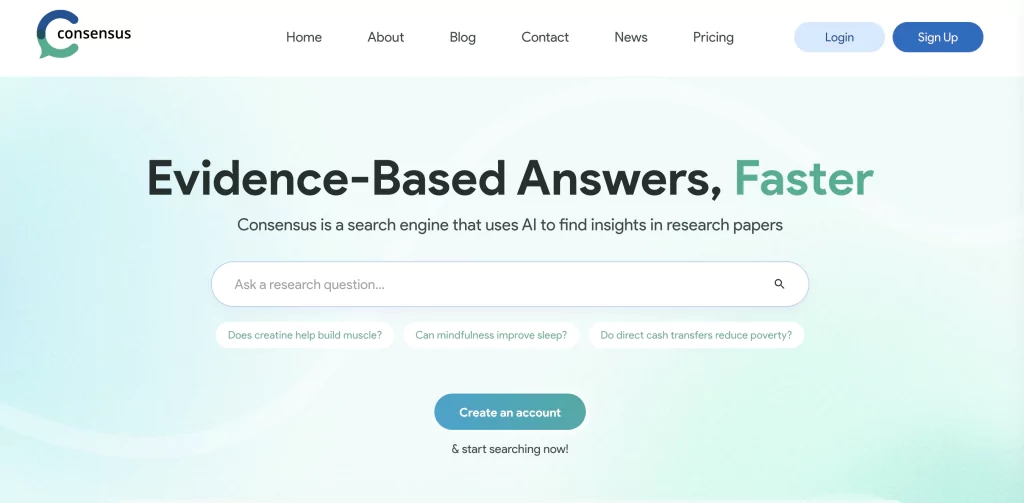
1. Consensus
Consensus stands out by providing rapid, research-backed answers on specialized topics. Though limited to select domains, it's a powerful ally for evidence-based research.
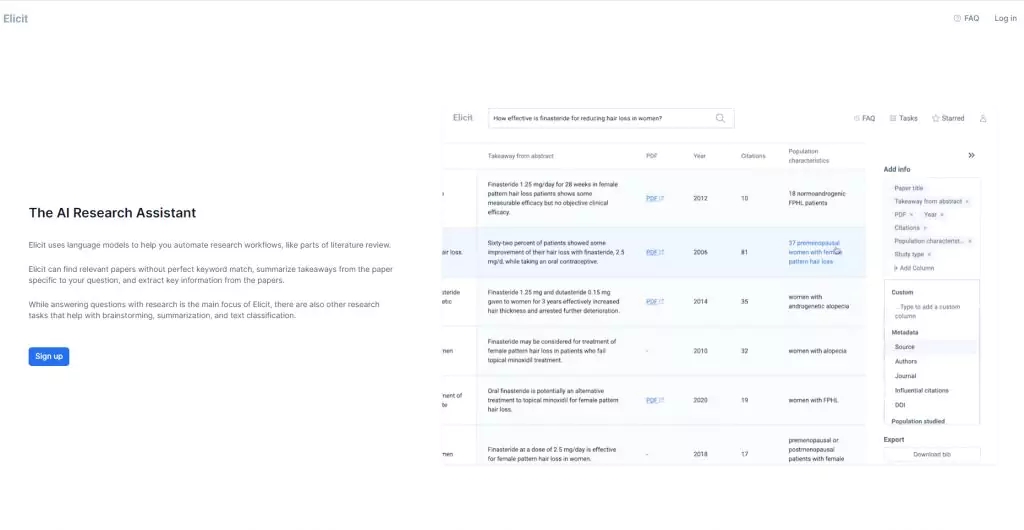
2. Elicit
Elicit acts as a digital research assistant, offering the flexibility to discover pertinent literature beyond exact keyword matches, thus supporting innovative thinking.
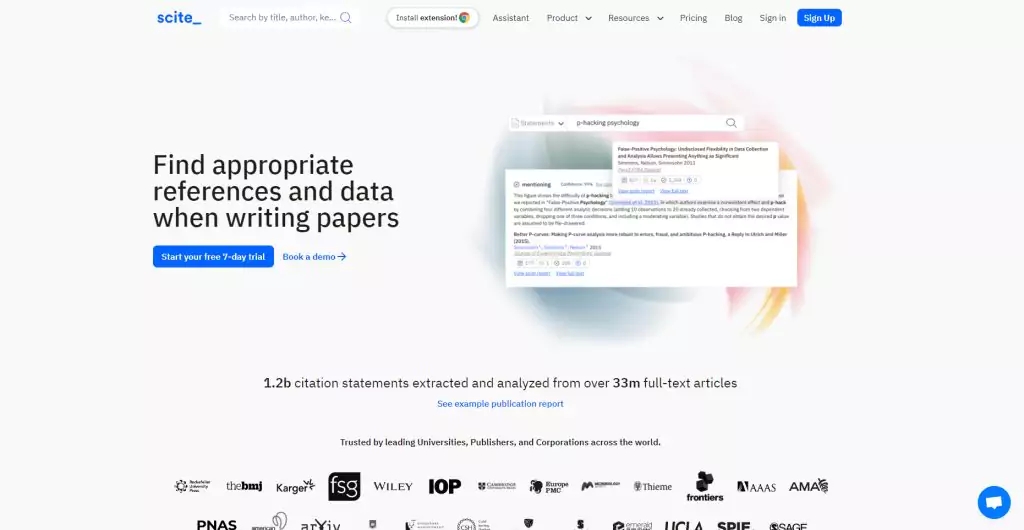
3. Scite.ai
Scite.ai is an invaluable asset for verifying the credibility of research sources with detailed citation analysis, bolstering the fact-checking process.
4. Research Rabbit
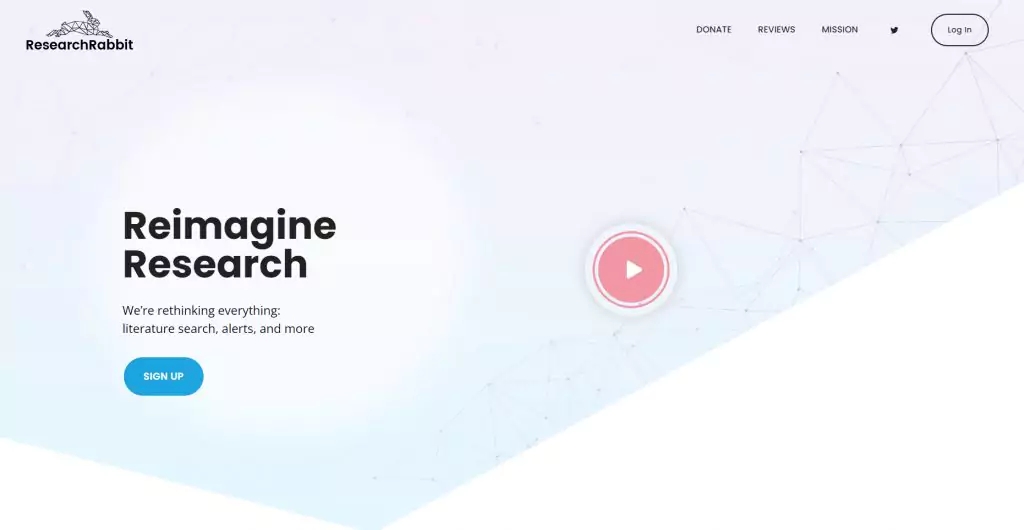
Nicknamed the "Spotify of research," Research Rabbit offers personalized paper collections and visualizes academic networks, aiding researchers in tracking scholarly work.
5. ChatPDF
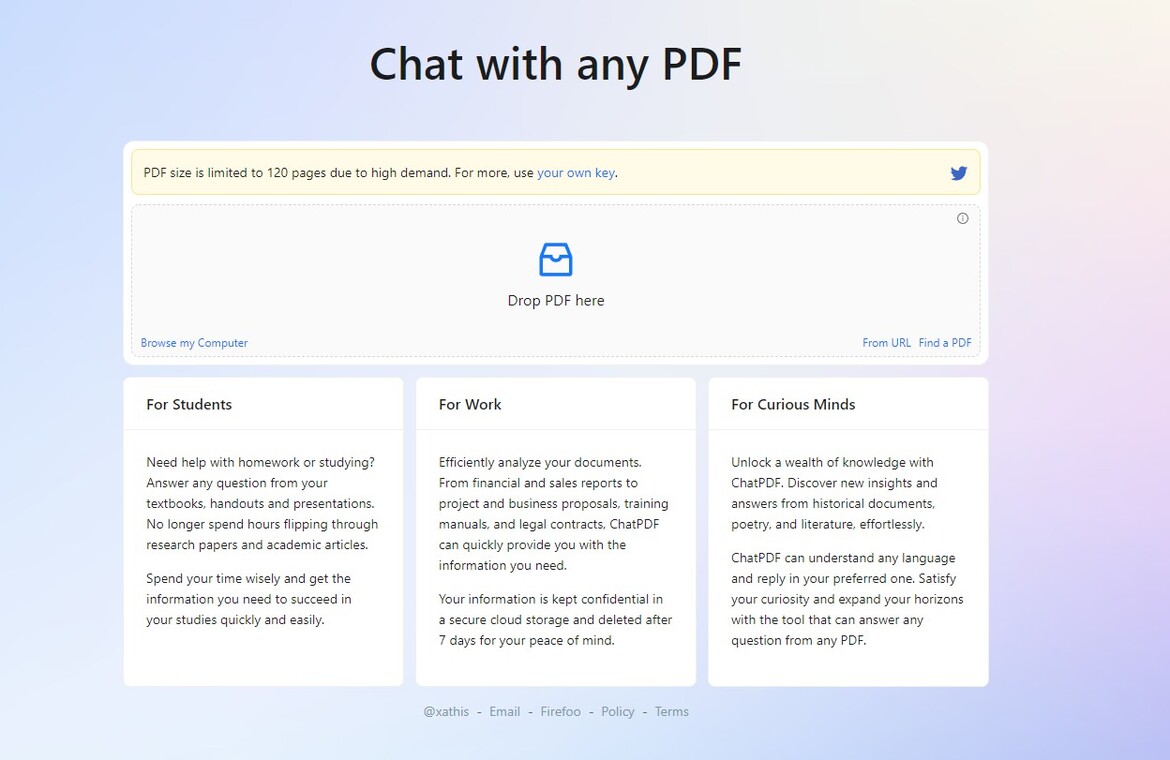
ChatPDF simplifies the process of digesting research papers by summarizing content and providing interactive engagement with the material.
6. Perplexity AI
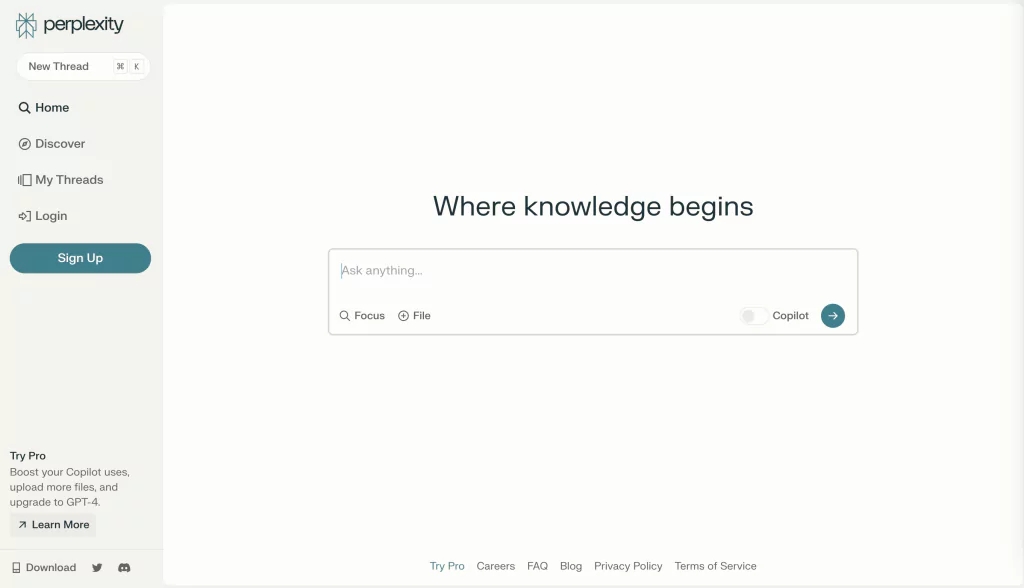
Perplexity AI stands out with its robust search capabilities across a wide array of sources, positioning itself as a formidable contender in academic research.
7. Semantic Scholar
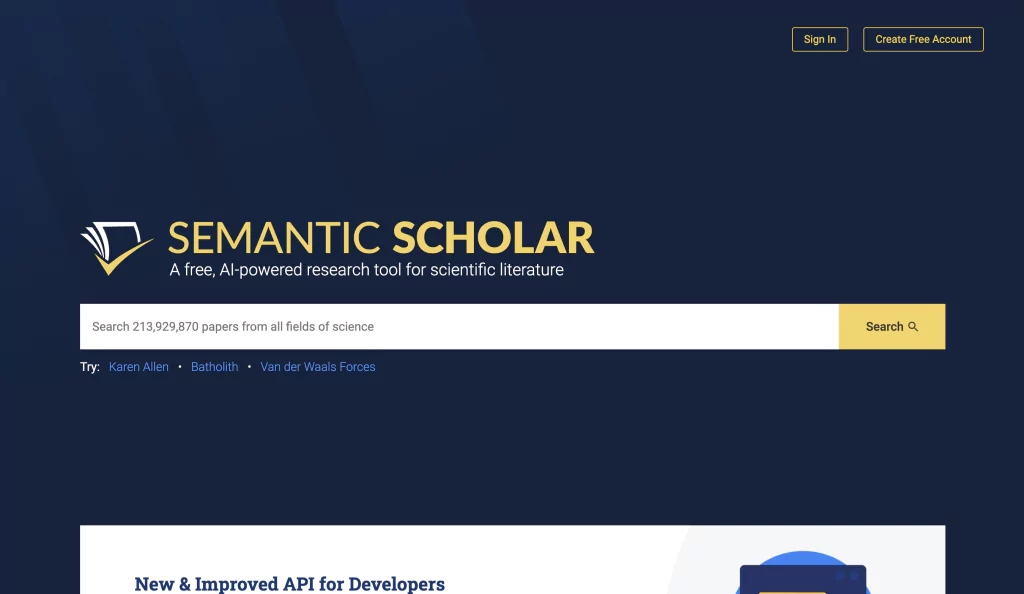
Semantic Scholar employs cutting-edge AI to navigate millions of scholarly articles, presenting the most relevant findings and facilitating quick comprehension.
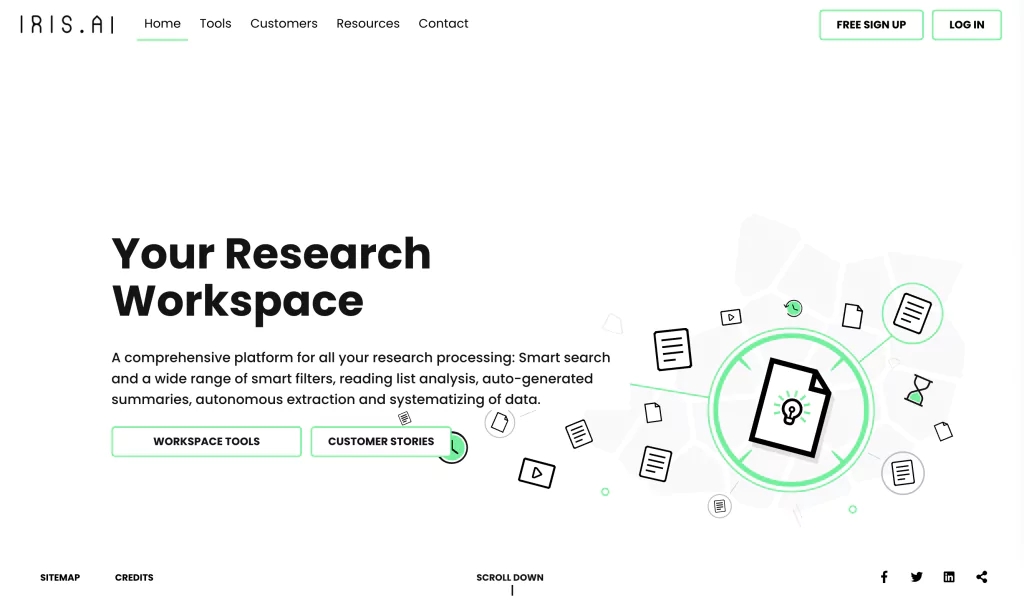
8. Iris.ai
Iris.ai is engineered to accelerate scientific discovery by guiding researchers to pertinent literature through advanced natural language processing.
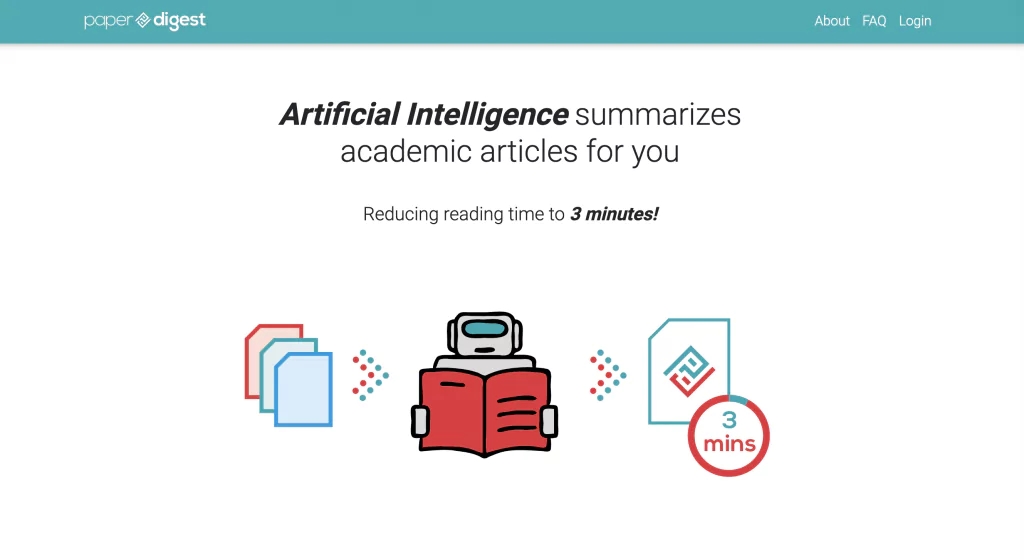
9. Paper Digest
Paper Digest offers AI-powered summaries that distill the essence of academic papers, though the service has ceased operations as of August 2023.
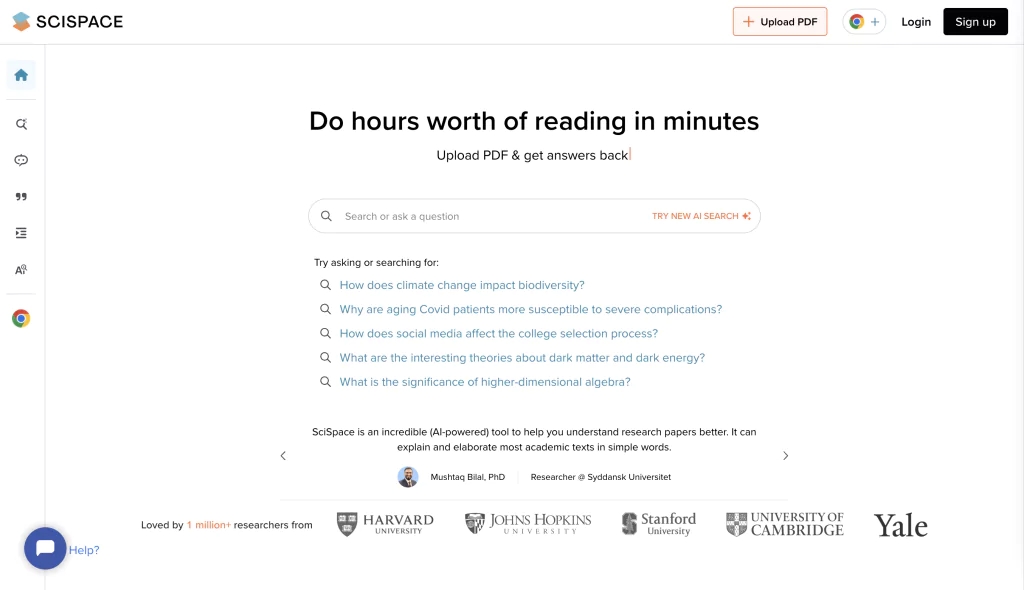
10. SciSpace
SciSpace innovates the research workflow with a variety of tools for discovering, reading, collaborating, and publishing academic papers.
Maximizing AI Tools for PhD Students
For doctoral candidates, AI tools such as chatbots can be leveraged to streamline the research process. From synthesizing texts to preparing for academic defenses, AI offers a myriad of ways to enhance study efficiency.
FAQs on AI Tools in Academic Research
What is the best AI academic research tool?
The best AI tool for academic research is one that aligns with your specific needs and offers an integrated suite of services.
Are there any free AI academic research tools?
Yes, several AI tools are available for free, and some even provide trial periods to explore their features.
Which AI model is suitable for academic research?
Language models utilizing natural language processing and deep learning, such as those developed by OpenAI (e.g., GPT-3, GPT-4), are well-suited for academic research.
What is the best free AI for academic research?
The ideal free AI tool for academic research depends on your requirements, ranging from text generation to reference finding.
In the realm of academic research, AI tools are no longer a luxury but a necessity. By integrating these powerful resources, researchers can transcend traditional barriers, achieving greater insights and contributing to the collective pool of human knowledge.