
What is Nyckel?
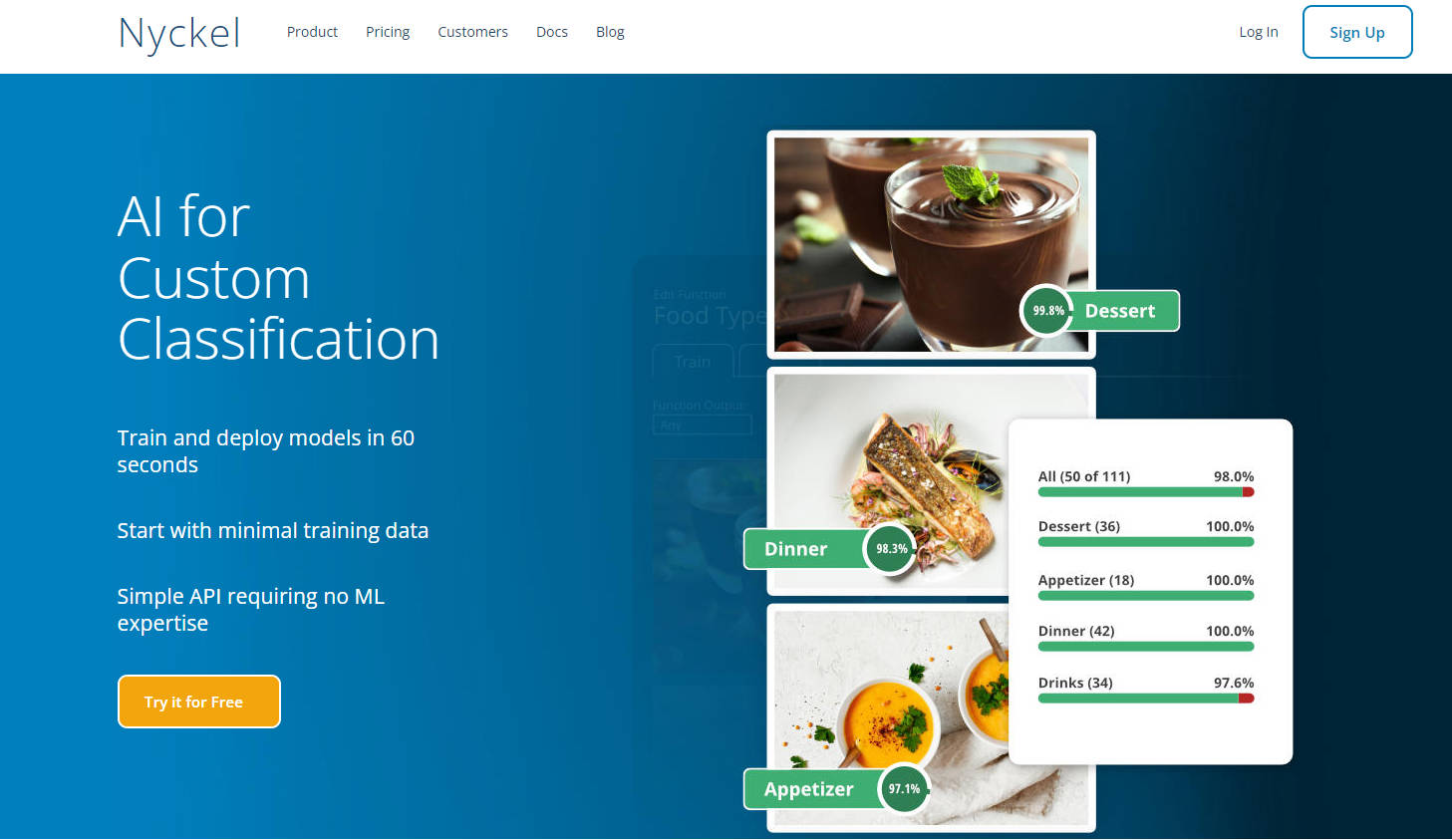
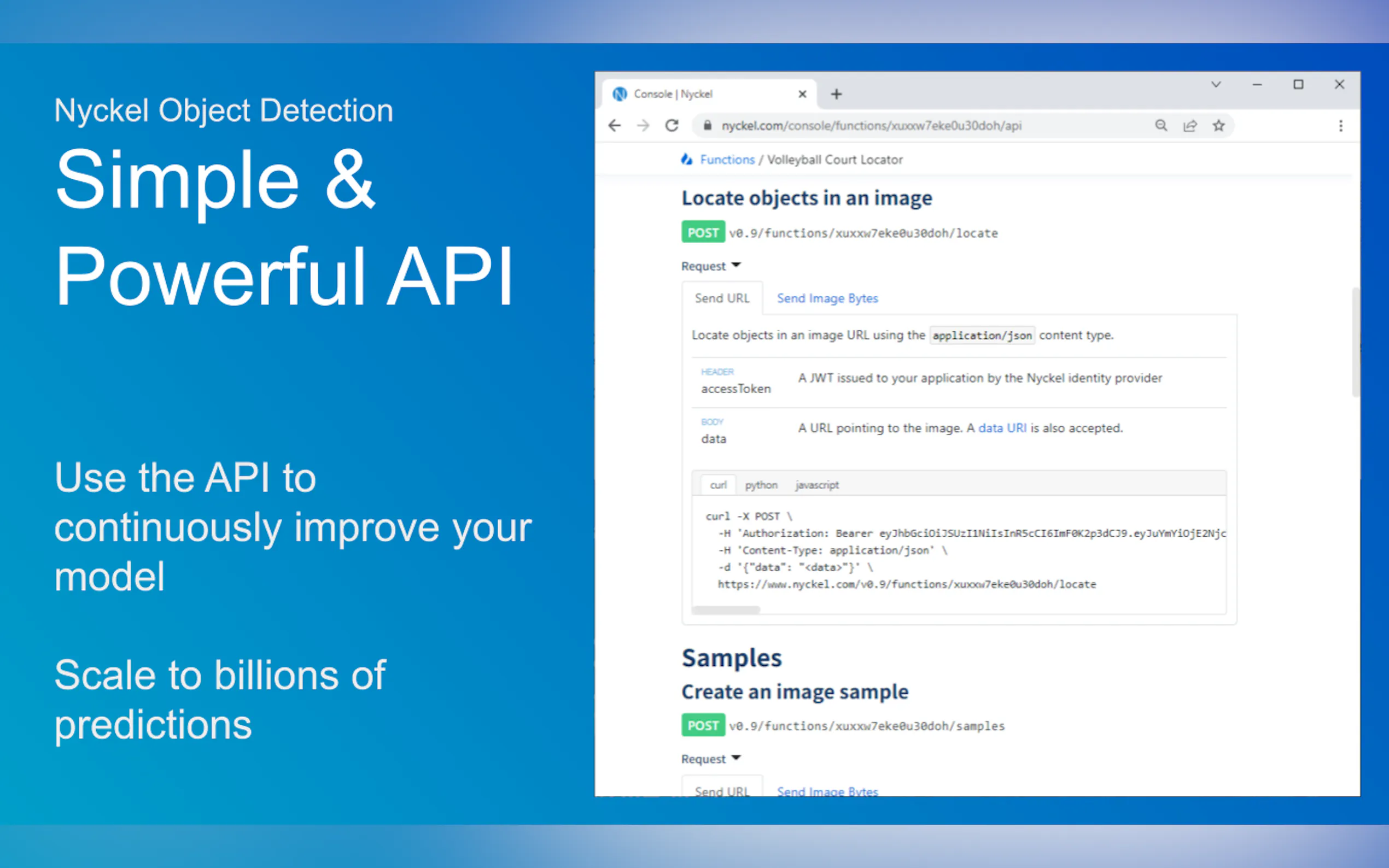
Nyckel is a Machine Learning API that allows users to train and deploy models quickly and easily. With minimal training data required, the API offers functions for text classification, text search, image classification, image search, object detection, image detection, and tabular classification. Nyckel abstracts away the complexity of machine learning, making it accessible to users without ML expertise. The API is designed with an API-first approach for seamless integration into applications.
Key Features:
1. Text Classification: Train a function to categorize text data.
2. Text Search: Create a gallery of text data and search using images or text.
3. Image Classification: Train a function to categorize images.
4. Image Search: Create a gallery of images and search using images or text.
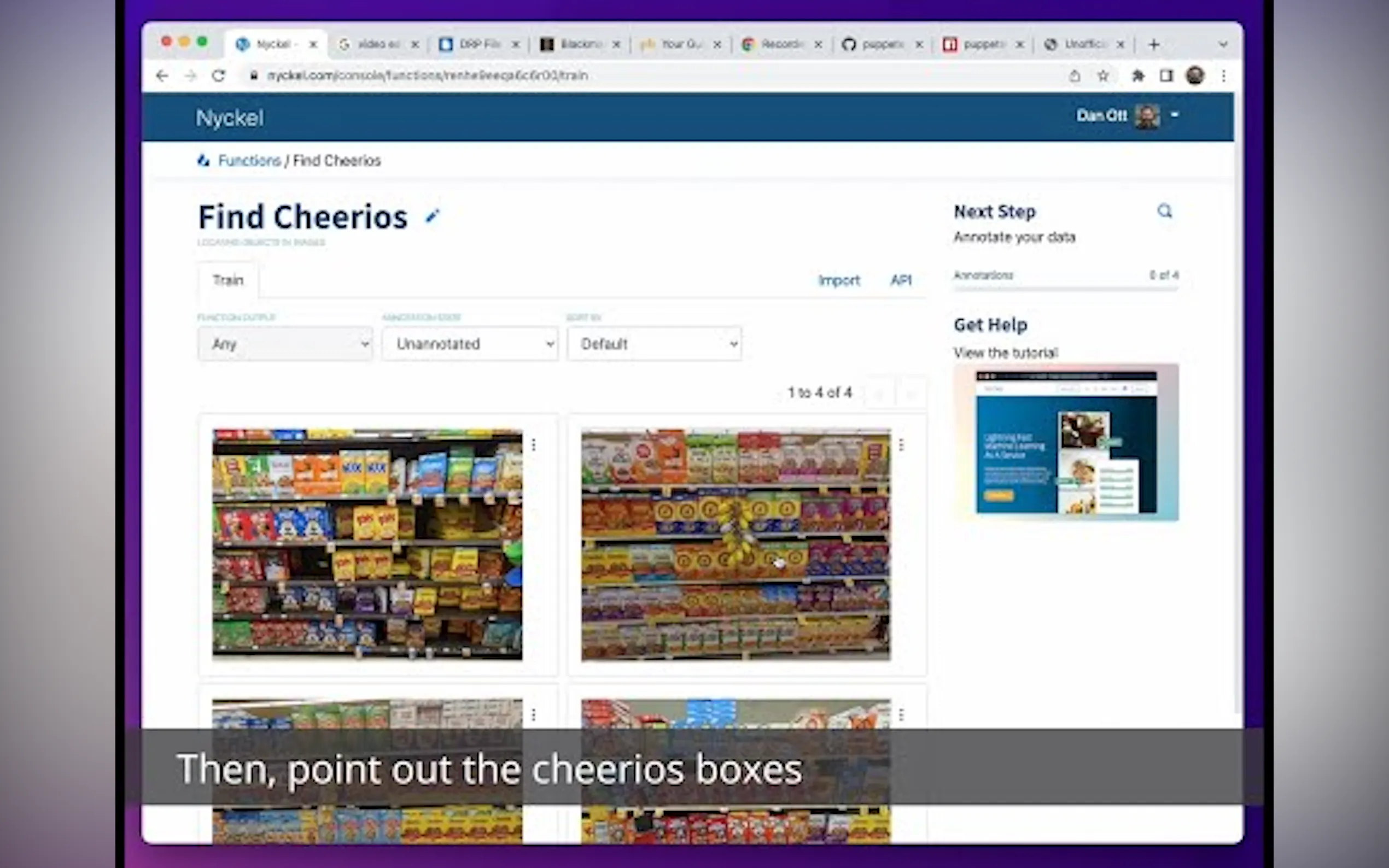
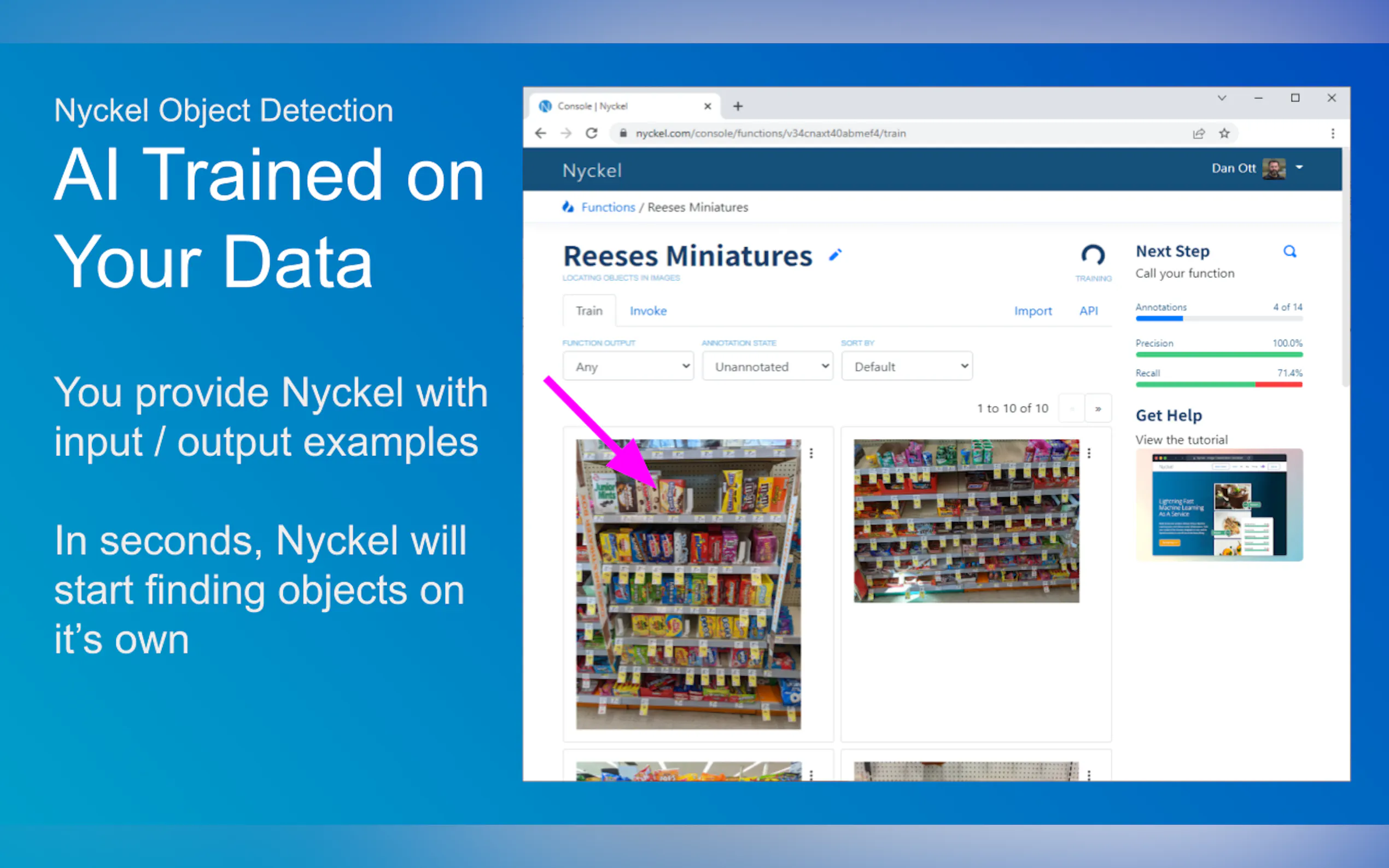
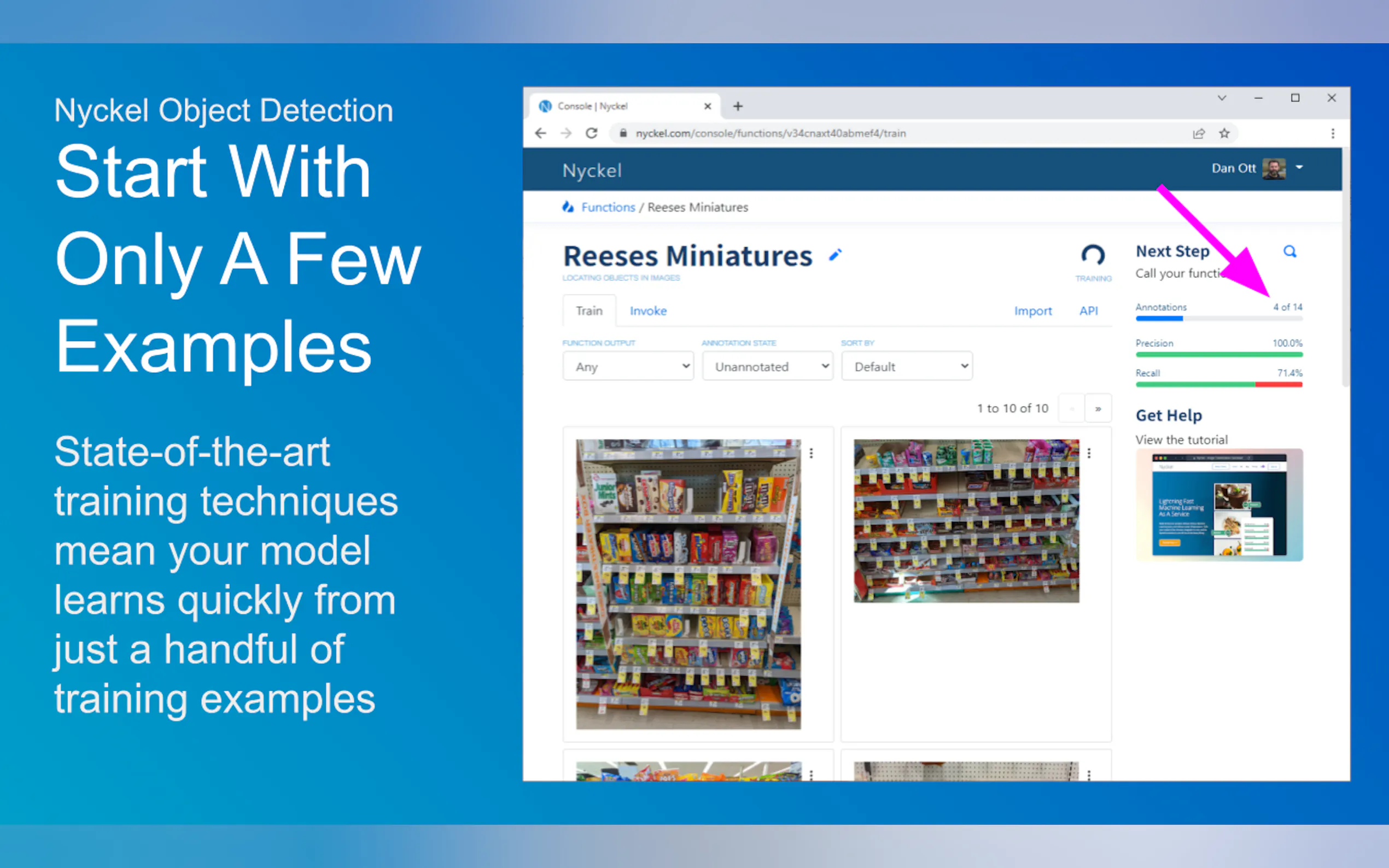
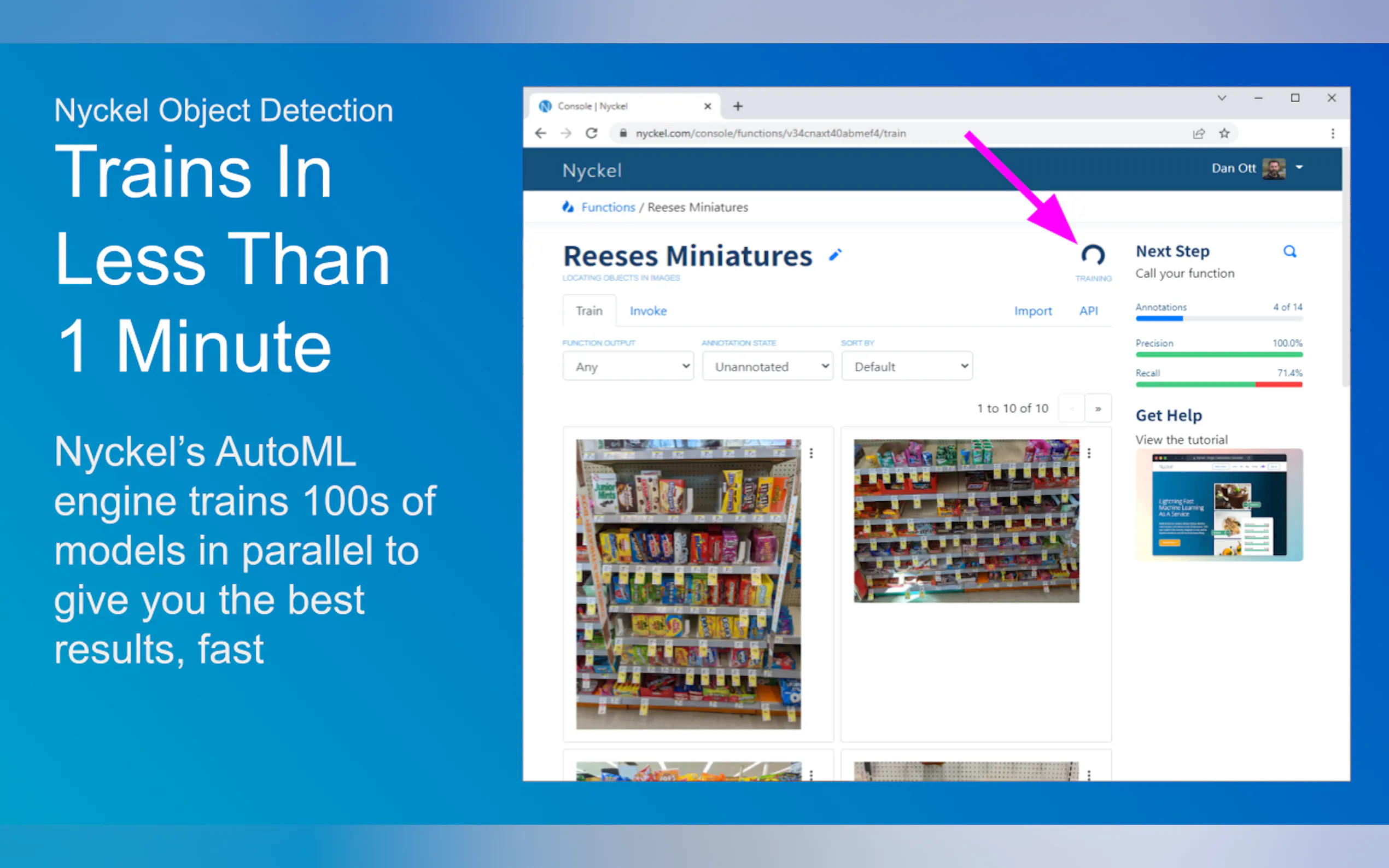
5. Object Detection: Train a function to detect objects in images.
6. Image Detection: Find the location and size of objects in an image using provided labels.
7. Tabular Classification: Categorize tabular data.
Use Cases:
- E-commerce platforms can use Nyckel's image classification feature to automatically categorize products based on their visual attributes.
- News organizations can utilize the text classification feature to classify articles into different topics or categories for better organization and retrieval.
- Security companies can benefit from the object detection feature by training models to identify specific objects or threats in surveillance footage.
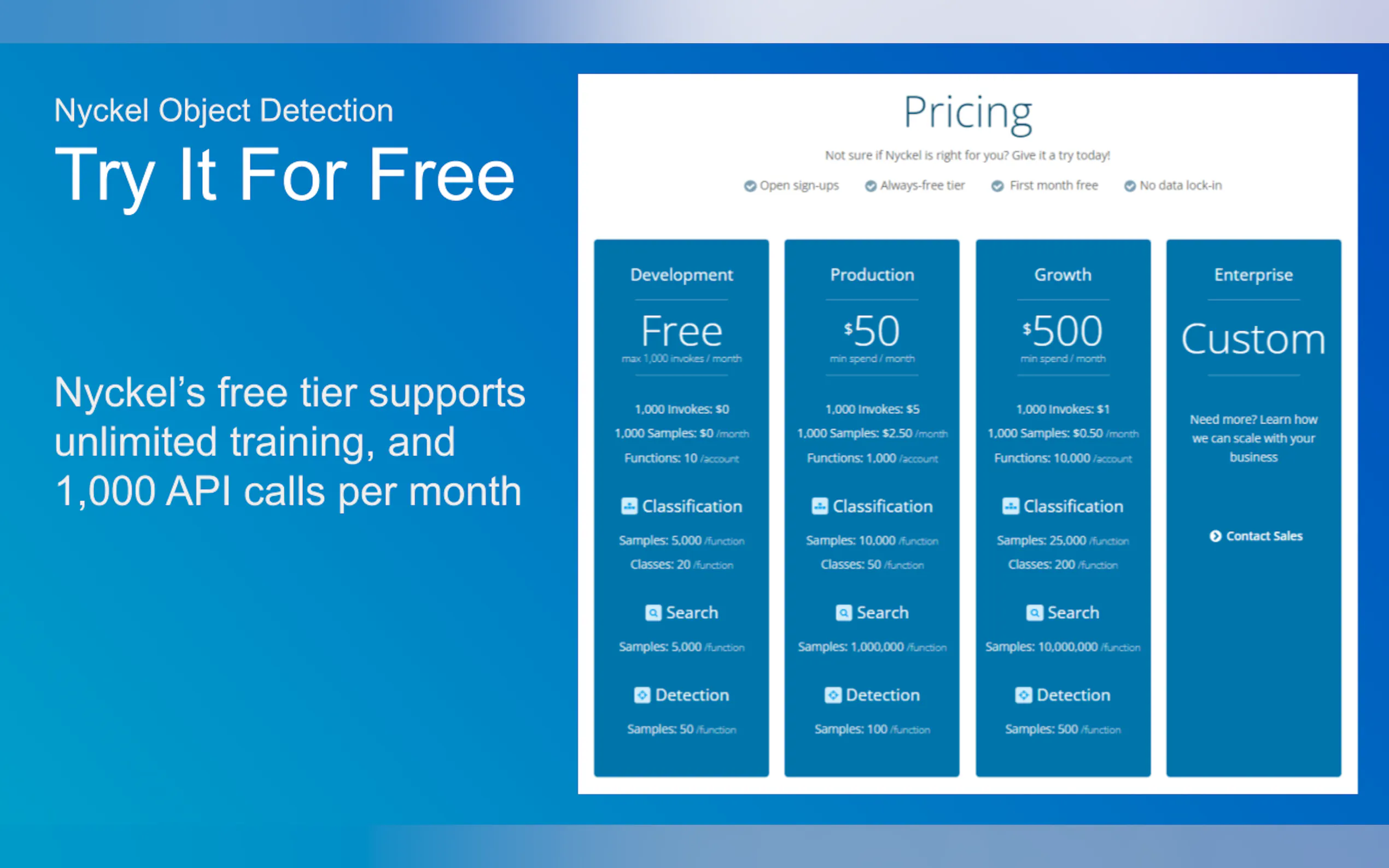
Nyckel provides an easy-to-use Machine Learning API that simplifies the process of training and deploying models for various tasks such as text classification, image recognition, object detection, and more. With its user-friendly interface and powerful features like automated deep learning methods evaluation and instant model deployment with high uptime scalability options available at affordable pricing tiers including free usage options make it an ideal choice for developers looking to integrate machine learning capabilities into their applications efficiently.
More information on Nyckel
Top 5 Countries
25.49%
6.06%
4.96%
3.65%
3.49%
United States
India
United Kingdom
Germany
Vietnam
Traffic Sources
3.29%
0.64%
0.09%
6.7%
56.61%
32.62%
social
paidReferrals
mail
referrals
search
direct
Source: Similarweb (Sep 24, 2025)
Nyckel was manually vetted by our editorial team and was first featured on 2023-10-20.
Related Searches
Nyckel Alternatives
Load more Alternatives-

-

-

Get AI-generated photography previews for various scenes at Nyx.gallery. Preview and purchase realistic and detailed photos before you buy.
-

-
